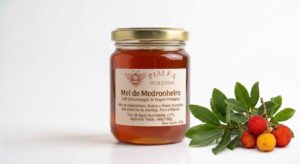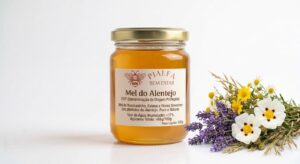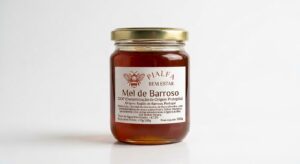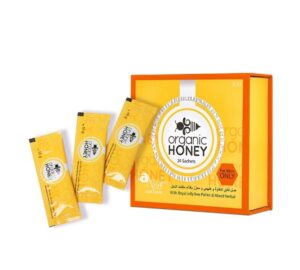

Portuguese honey reflects very different landscapes: mountain ranges, plateaus, islands and Mediterranean countryside. Rather than treating it as a generic sweetener, it pays to notice its aroma, origin and texture, three simple keys to enjoying it more at the table and choosing the right jar for each moment.
This article is a guide to tasting and reading labels, written for anyone who wants to understand the real differences between honeys. We make no health claims: the focus is sensory, culinary and practical.
Why Portuguese honey varies from jar to jar
Bees collect nectar (and, in some cases, honeydew) from different plants depending on the season and location. That is why two jars that are both “Portuguese” can differ greatly in colour, aroma and mouthfeel. The label and the batch information remain the reference point: any floral or regional name should match what the producer or packer declares.
Portugal’s diversity is an advantage. Instead of looking for “the best honey” in absolute terms, it makes more sense to ask: best for what? A mild cup of tea? A cheese board? Roasting vegetables? Each use calls for a different profile.
In the Pi Alfa shop you can browse our selection of natural Portuguese honey and the dedicated honey page to compare profiles at your own pace.
Aromas: from light florals to mountain character
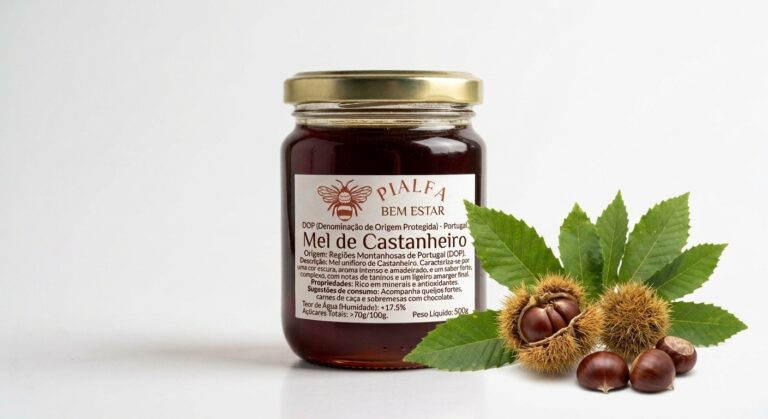
Start with your nose, with the jar at room temperature. Light-coloured honeys, often linked to plants such as Spanish lavender (rosmaninho), tend to have more delicate, floral aromas. Mountain or heather honeys can be more intense and lingering. Chestnut honey is often described as having vegetal or woody notes, always depending on the batch and the harvest.
Training your nose doesn’t take long. Open the jar, breathe in once, close it, and only then taste. If you are comparing two honeys, cleanse your palate with a little water or a piece of plain bread between tastings.
A few examples from the shop to train your nose (no obligation to buy): Spanish lavender honey, heather honey and chestnut honey.
How to taste honey in three steps
- Look at the colour in natural light (from almost clear to dark amber).
- Smell the aroma without stirring too much.
- Taste a small amount; notice the sweetness, any slight acidity, bitterness or astringency, and the finish.
Make a mental note of whether the honey finishes clean or leaves a long aftertaste. That detail helps with pairings: long finishes suit characterful cheeses and breads, while clean finishes work with yoghurt and fruit.
Origins: read the label carefully
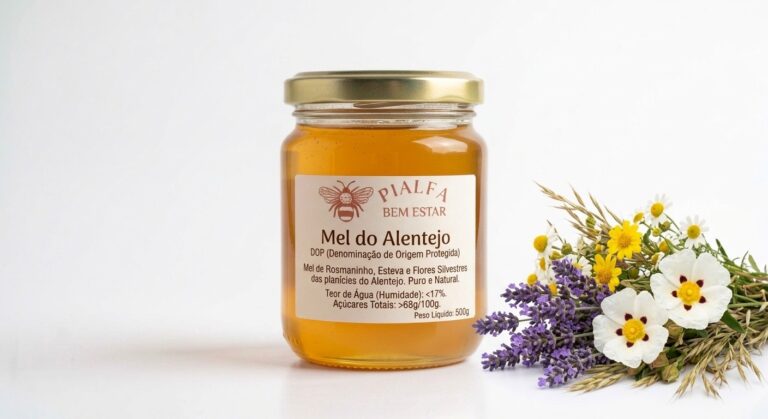
Portugal has well-known regional and floral honey types, for example those linked to Spanish lavender, chestnut or heather, and honeys from areas such as the Alentejo or the mountains of the north and centre. Any mention of a region or plant on the label should comply with the law and with the information from the person responsible for the product. If the jar simply says “honey”, treat it as a multifloral honey with no declared dominant source.
It is also worth checking the weight, the best-before date and the operator’s name. A complete label doesn’t guarantee the tasting experience you are after on its own, but it is the right, transparent starting point.
For a plateau profile with Mediterranean flora, you could compare, for example, Terra Quente honey with other honeys in the same category.
Textures: runny, creamy or crystallised
Crystallisation is a natural process and does not in itself mean the honey has gone off, as long as it has been stored well and is within its date. Some honeys stay runny for longer; others form fine crystals and a more opaque or creamy texture. Storage temperature and sugar composition both affect this.
If you prefer runnier honey, warm the jar gently in a bain-marie (without boiling). Avoid blasting it in the microwave or using high temperatures, which can change the aroma and colour. Once it has liquefied, close the jar tightly again.
Some people prefer crystallised honey for spreading because it “stays put” on bread. Try both forms of the same honey: the change in texture also changes how you perceive the aroma.
Simple food pairings
Delicate honeys go well with yoghurt, fresh cheese or tea. More intense ones call for aged cheeses, sourdough bread or nuts. Honey preparations with nuts, such as honey with walnuts or honey with almonds, work especially well on cheese boards and in simple desserts; always check the label for allergens.
In practice: a brunch could start with Spanish lavender honey in yoghurt and finish with honey with walnuts on the board. For a more rustic dinner, a drizzle of chestnut honey over aged cheese usually works beautifully.
Quick storage tips (so you don’t spoil the tasting)
Keep honey tightly closed in a cool, dry place away from direct light. Use a clean, dry spoon. Moisture and excessive heat are the main things to avoid day to day.
Frequently asked questions
Has crystallised honey gone off?
Usually not. Crystallisation is common. Check the smell, appearance and label instructions, and keep the jar tightly closed, away from moisture and excessive heat.
Can I heat honey?
Yes, gently, if you want to make it runny again. Don’t let it boil. For tea, let the drink cool slightly before adding honey to better preserve its aroma.
Can children eat honey?
Honey is not recommended for babies under 12 months. For older ages, follow the label and the advice that suits your family.
How should I store several open jars?
Write the opening date on the jar if it helps, always close it tightly, and avoid using the same spoon across different jars.
Conclusion
Enjoying Portuguese honey is above all a matter of paying attention: aroma, declared origin and texture. With these three pointers, every jar tells a story of plants and place, and mealtimes become more interesting.
To keep exploring, visit the Pi Alfa shop or our selection of natural Portuguese honey, with no rush, just to find the profile you like best. The blog also has more reading on honey and cooking.
Partilhar
Facebook
Twitter
Pinterest
Artigos recentes