
Walk into any health food shop and you’ll almost always find three names next to the honey: bee pollen, royal jelly and propolis. They all come from the hive and all have a long-standing reputation, but they are very different things. It’s worth knowing what each one is before you put it in your basket.
We’ll admit it: for a long time we mixed these three up too. At the market, someone would ask for “jelly” and we’d point to the pollen. It took many mornings beside the hives, watching the bees at work up close, to really understand the difference. This article sums up those conversations.
Bee pollen: the food bees bring back from flowers
Pollen is the fine powder flowers produce in order to reproduce. Bees collect it, mix it with a little nectar and saliva, and carry it back to the hive as tiny pellets on their legs. It is the hive’s main source of protein.
Bee pollen sold for eating comes as colourful granules, from yellow to orange and brown, depending on the flowers. It tastes slightly sweet and floral, sometimes a little bitter. It contains protein, B vitamins, minerals and natural antioxidants, which explains its popularity in balanced eating routines.
How to use it: one small teaspoon a day, sprinkled over yoghurt, porridge, fruit or smoothies. Some people like to soak the granules in water or juice for a few minutes to soften them.
Please note: anyone allergic to pollen or hive products should avoid it or speak to a health professional first. Always start with a very small amount.
Royal jelly: the queen’s food
Royal jelly is a creamy, whitish substance made by young worker bees. Every larva receives it in its first few days, but only the future queen is fed on it for her whole life. Hence the name, and hence the special aura that has always surrounded it.
It tastes strong, sour and slightly peppery, nothing like honey. That’s why it is often sold mixed with honey, which softens the flavour and helps preserve it. Pure royal jelly should be kept in the fridge.
Royal jelly contains water, protein, sugars, lipids and some vitamins. It is a highly valued traditional product, but it’s best viewed sensibly: it complements a varied diet rather than replacing it.
Propolis: the “glue” that protects the hive
Propolis is the most different of the three. Bees gather resins from trees and plants, mix them with wax and use the result to seal cracks and line the inside of the hive. It works as a natural barrier.
It is brown or greenish, with a resinous smell and an intense taste. You’ll often find it in tinctures, throat sprays, lozenges and cosmetics. It isn’t eaten by the spoonful like honey. The same rule applies here: anyone allergic to hive products should be careful.
Quick differences, side by side
- Origin: pollen comes from flowers; royal jelly is made by the bees; propolis comes from tree resins.
- Texture: dry granules, thick cream, sticky resin.
- Taste: floral and sweet, sour and strong, resinous and bitter.
- Most common use: sprinkled on food, mixed with honey, in tinctures and sprays.
Honey with pollen and royal jelly: the easiest way to start
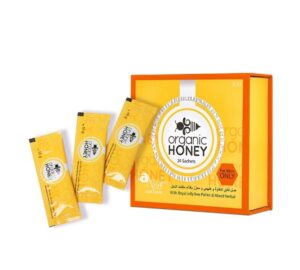
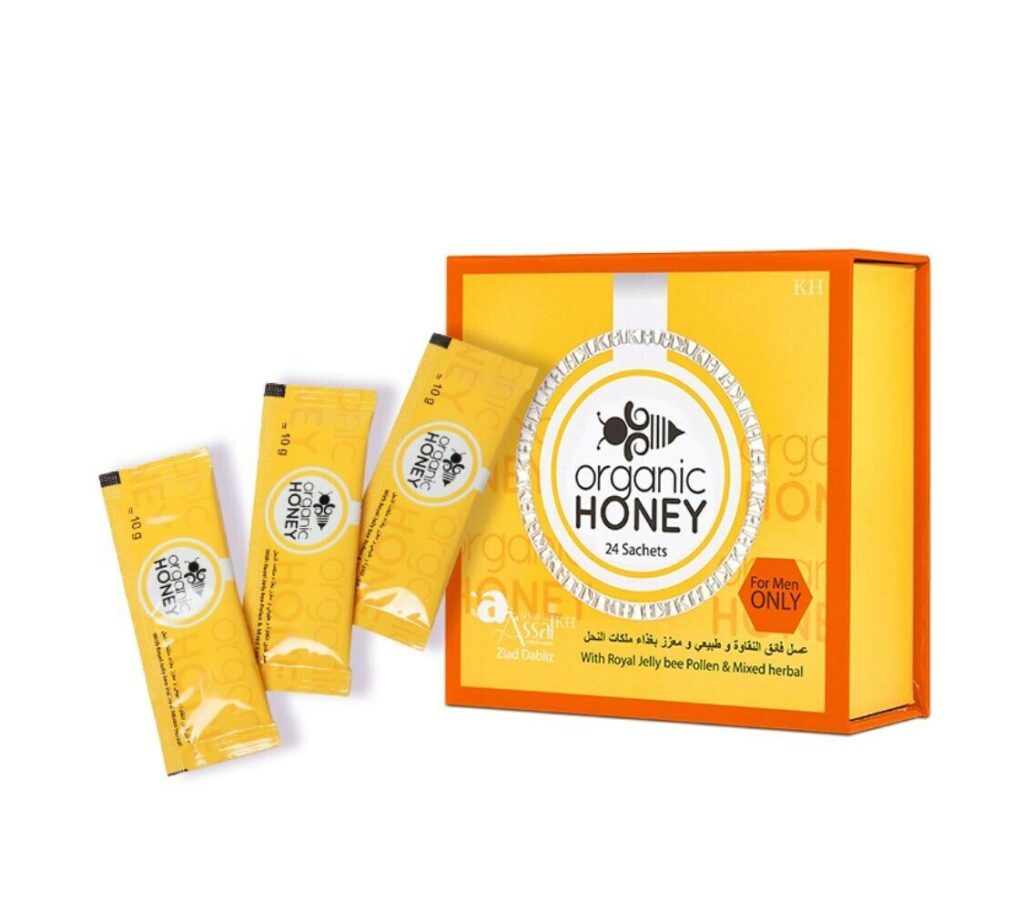
If you’ve never tried them, combining them with honey is the simplest way in. Honey masks the strong taste of royal jelly and pollen and makes everything more pleasant. In single-serve sachets it’s even more practical: one at breakfast, another in your bag for the afternoon.
That’s the idea behind our Orgânico Honey with Natural Pollen R-Jelly, which combines organic honey, bee pollen and royal jelly in sachets that are easy to take to work, the gym or on your travels. Take it straight or dissolved in a warm drink (never boiling, so the aroma isn’t lost).
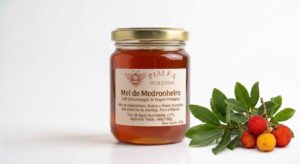
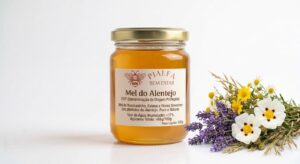
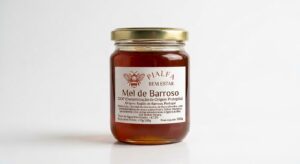
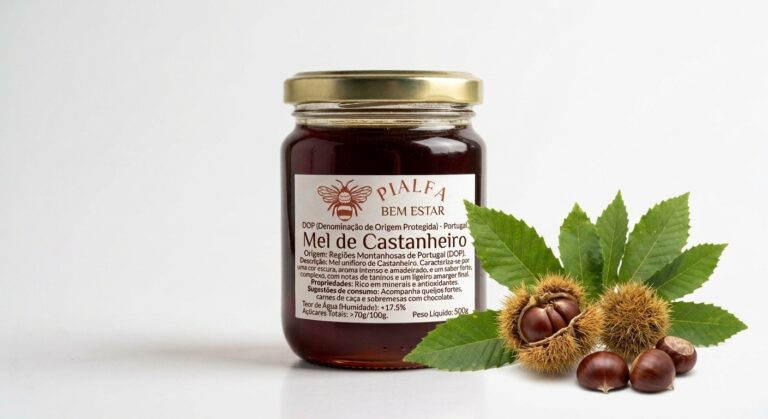
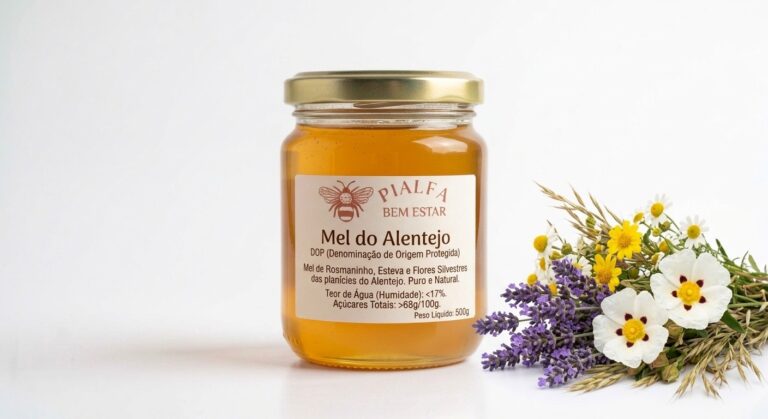
If you’d rather stick to pure honey, we have a selection of Portuguese honeys from several regions. And to understand how they differ, our guide to types of honey and how to choose a quality honey is a good place to start.
How to choose hive products with confidence
- Read the label carefully: origin, ingredients and the percentage of each component.
- Be wary of miracle claims. Hive products are food, not medicine.
- Stick to the amounts recommended by the manufacturer.
- Pregnant women, young children and people with allergies or chronic conditions should ask a health professional for advice before starting.
- Remember that honey and honey products should not be given to babies under 12 months.
How we use them at home
We’re not nutritionists or doctors, and we won’t promise effects that haven’t been proven. But we can tell you how these products fit into our everyday life, simply and without going overboard.
Pollen often ends up on our breakfast yoghurt or porridge. A teaspoon is enough. It tastes a little like dried flowers, slightly bitter, with a crunchy texture that slowly melts. Some people soak it in water or juice for a few minutes first to soften it. If you’ve never tried it, start with just a few granules: some people are allergic to pollen, so it’s worth testing carefully.
Royal jelly is more delicate. Its sour, almost peppery taste isn’t to everyone’s liking on its own. So the easiest way to try it is mixed with honey, which softens the flavour. It should be kept cold and taken in small amounts.
Propolis comes out mainly in winter, as a spray or extract, when your throat starts to feel scratchy. It has a strong resinous taste, reminiscent of pine, and leaves a slightly numbing feeling in the mouth. It’s an old tradition in many Portuguese homes.
A word of caution
All these products are natural, but “natural” doesn’t mean they suit everyone. People with pollen allergies, bee sting allergies or asthma should be careful and, if in doubt, talk to their doctor before trying them. The same goes for pregnant and breastfeeding women and young children. And none of these products replaces medical treatment.
From the hive to your home
Bee pollen, royal jelly and propolis have been part of the bees’ story for as long as honey has. Knowing them well helps you use them better and without excess. At Pi Alfa we dispatch within 24 hours, with free shipping across the European Union on orders over €50, and every order comes with a small free honey. If you don’t have an account yet, signing up to the Members Area is free and gives you 10% off your first order, plus access to exclusive articles and products.
Partilhar
Facebook
Twitter
Pinterest
Artigos recentes