
It’s one of the questions parents and grandparents ask us most: from what age can children eat honey? And after that, how much is too much? Honey is a natural food that little ones love, but there’s one important rule to follow and a few precautions that make a difference. Here’s the essential information, kept simple.
We hear this question often, in person and by message, usually from new parents or from grandparents keen to share the honey they ate as children. We completely understand. So we’ve gathered what we know here, with one caveat from the start: for any question about your child’s health, the final word always belongs to the paediatrician.
The most important rule: no honey before 12 months
Babies under one year old should not have honey: not raw, not cooked, not mixed into porridge or on a dummy. The reason is infant botulism. Honey can contain tiny amounts of spores from a bacterium called Clostridium botulinum. In an adult or an older child, the digestive system deals with these spores without any problem. In a baby’s gut, which is still developing, they can multiply and produce a dangerous toxin.
This advice comes from paediatricians and health authorities worldwide, and it applies to every kind of honey, whether Portuguese, imported, organic or from a local beekeeper. If in doubt, always talk to your paediatrician or GP.
After the first year: in moderation
From 12 months, honey can become part of a child’s diet. Even so, it’s worth remembering that honey is mostly natural sugar. Public health guidance recommends limiting free sugars, and honey counts towards them, just like table sugar or syrups.
In practice, that means using honey as a touch of flavour rather than a staple. A teaspoon in natural yoghurt is very different from toast spread with a thick layer. The good thing about honey is that a little goes a long way, so it’s easy to use less.
Which honey to choose for little ones
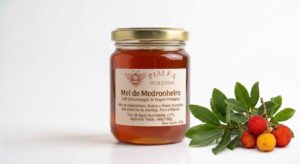
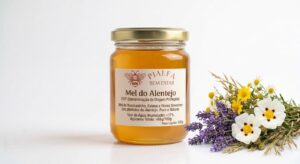
Children usually prefer light, mild honeys with a floral, barely bitter taste. A few examples from our shop:
- Lavender Honey, light and delicate, is often the first honey they love.
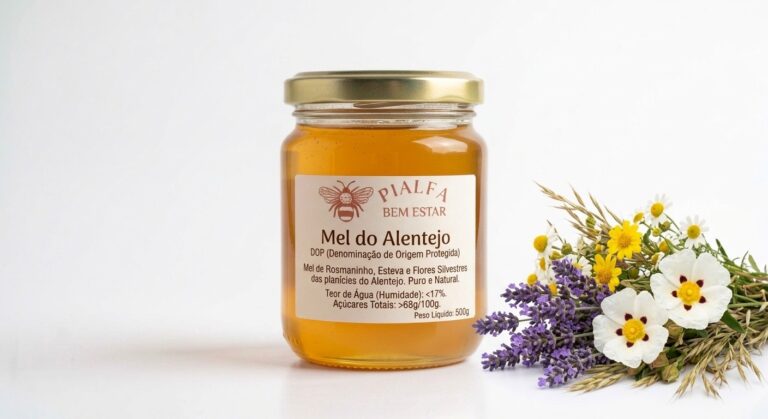
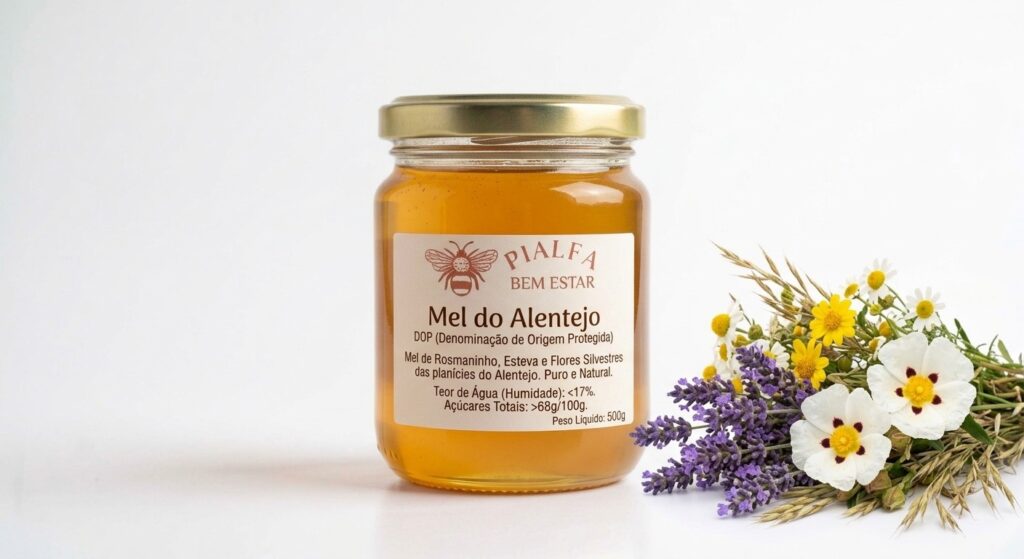
- Alentejo Honey, a mild wildflower honey, goes with almost anything.
- Azores Honey, with its light aroma, is great for spreading.
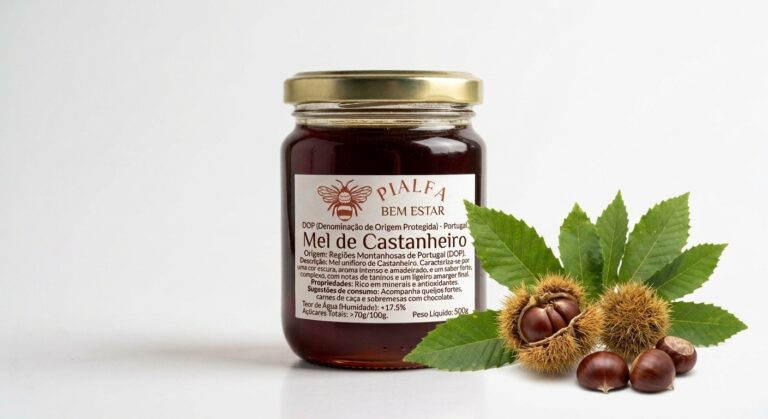
Dark honeys such as chestnut or heather have stronger, slightly bitter flavours. They can be introduced later, once your child is curious about new tastes. Whatever you choose, go for real honey of known origin. If you’re unsure how to spot good honey, we have a guide on how to tell real honey from adulterated honey.
Simple everyday ideas
- Natural yoghurt with fruit: instead of pre-sweetened yoghurts, a natural yoghurt with sliced banana and a drizzle of honey. You control the taste and there’s far less sugar.
- Porridge: oats cooked in milk, cinnamon and half a teaspoon of honey stirred in at the end, off the heat.
- Afternoon toast: wholemeal bread with a thin layer of butter and a little honey. Simple and comforting.
- Baked fruit: apple or pear baked with cinnamon and a drizzle of honey. An autumn dessert the whole family enjoys.
- Warm milk before bed: a grandmother’s classic. Add the honey once the milk is warm, not boiling.
For more ideas for the whole family, see our article on breakfasts and snacks with honey.
Teeth and honey: don’t forget the toothbrush
Honey is sticky and clings easily to teeth. Like any sugary food, it can contribute to tooth decay if oral hygiene slips. Ideally, offer honey at mealtimes rather than throughout the day, and keep brushing twice a day, especially before bed. Honey on a dummy or in a bottle to help a child sleep is not a good idea at any age.
What about winter coughs?
Many families reach for honey and lemon when autumn and winter coughs arrive, an old tradition in lots of homes. For children over one, a teaspoon of honey in a warm drink can be a comforting gesture. But honey is no substitute for medical advice. If the cough persists, or there’s a high fever, difficulty breathing, or your child seems more unwell than usual, see a doctor.
The questions we’re asked most
“What if my baby tasted a little honey before one?” It’s an understandable worry. The sensible thing is to talk to your paediatrician and watch for anything unusual, such as unusual constipation, weakness or trouble feeding. If in doubt, always contact a health professional.
“Does honey baked into a cake count too?” General guidance is to avoid honey in any form before the first birthday, including in baked goods. The safest option is to wait.
“Can I put honey on a dummy?” Not at any age, because of the teeth. And before 12 months, absolutely not.
“Honey or sugar?” For older children, honey has more flavour, so you use less of it. But it’s still sugar and should be enjoyed in moderation.
A childhood memory
Many of us grew up with bread, butter and honey after school, or a spoonful of honey in hot milk before bed on winter nights. Those memories stay with you. There’s nothing wrong with creating them with our own children and grandchildren, as long as it’s done sensibly: at the right age, in small amounts and with the toothbrush close by.
In short
- No honey before 12 months.
- After the first year, honey is fine, in small amounts and at mealtimes.
- Light, mild honeys tend to be children’s favourites.
- Brushing teeth is still a must.
At pi alfa you’ll find Portuguese honeys from several regions, shipped within 24 hours, with free delivery across the European Union on orders over €50. Create an account on the site and get 10% off your first order, and every order comes with a small free honey to try. See all our honeys in our shop.
Partilhar
Facebook
Twitter
Pinterest
Artigos recentes