
Two honeys, two Portuguese landscapes
Portugal has a remarkably varied flora, and that diversity ends up in the jar thanks to the work of the bees. Wild lavender honey (known in Portugal as rosmaninho) and strawberry tree honey (from the arbutus tree) are two honeys with a distinctive floral origin, prized by anyone who enjoys discovering less common flavours. Both are Portuguese, yet their sensory profiles are very different: the first tends to be delicate and fragrant, while the second is known for a more complex character and a signature bitterness.
Calling a honey after a particular plant does not mean every hive forages on that flower alone. The name reflects the dominant flower and the conditions of each apiary and harvest. Flowering season, climate, surrounding vegetation and extraction methods all shape the colour, aroma, texture and finish. That combination of nature and terroir is what makes each variety worth exploring.
Wild lavender honey: floral aroma and a gentle profile
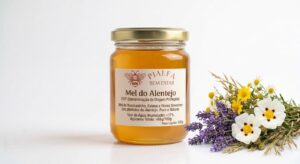
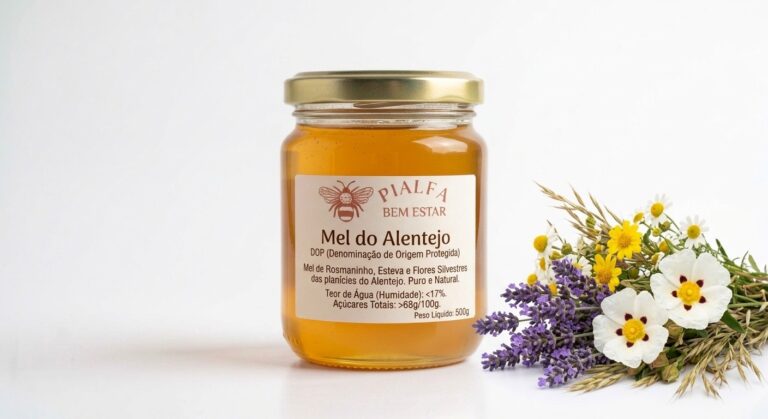
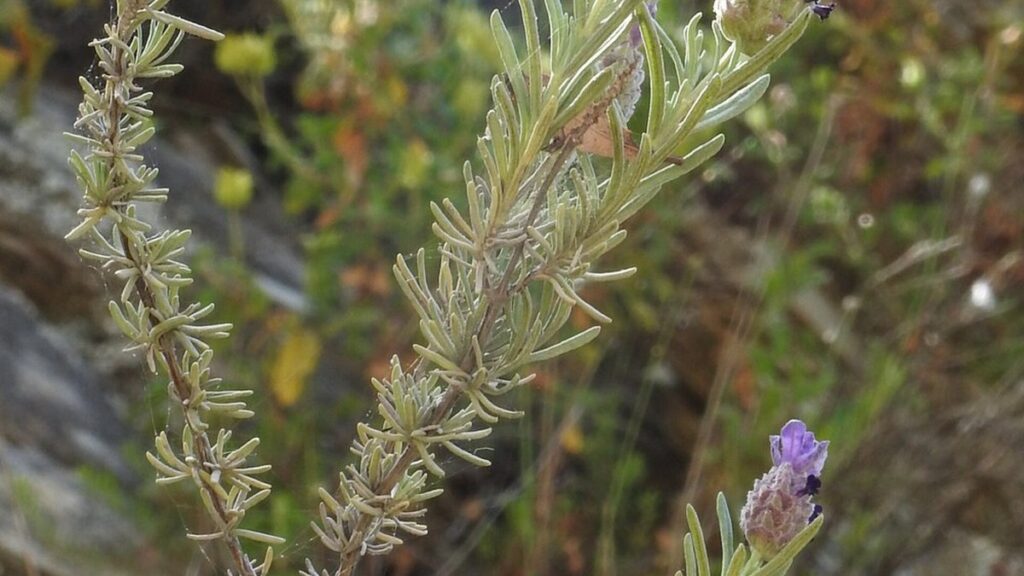
Rosmaninho is the common name for several species of wild Spanish lavender that bloom across scrubland, hillsides and open countryside. Its nectar produces a honey that is usually light to amber, with a clear floral perfume and a clean sweetness. Freshly harvested it can be runny, then become creamier or crystallise over time, a natural change that does not stop you from using it.
When tasting, look first for floral notes and a balanced finish. It is a versatile honey for bread, yoghurt and fresh fruit, adding aroma without overpowering the dish. It also pairs well with fresh cheese, ricotta and soft cheeses. To try it, see the Pi Alfa wild lavender honey.
In the kitchen, use it in a lemon vinaigrette, in vegetable marinades or to finish an orange and mint salad. For desserts, a few drops over plain ice cream, fruit or a slice of yoghurt cake are enough. If you stir it into a hot drink, let the temperature drop a little first: too much heat can wipe out part of the floral aroma.
Strawberry tree honey: character, contrast and a long finish
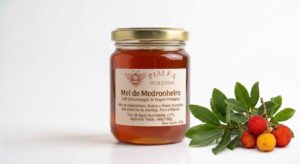
The strawberry tree (Arbutus unedo) is a Mediterranean tree found in several regions of Portugal. It can flower and fruit at almost the same time, covering the landscape with pale blossoms and red berries together. Its honey stands out for a bolder profile, usually tasting less sweet, with a bitter finish that can recall dark caramel, wood or ripe fruit.
That bitterness is not a flaw: it is exactly what makes this honey unique. Its intensity varies with location and harvest, so it is worth tasting without fixed expectations. The Pi Alfa strawberry tree honey is a great choice for anyone keen to explore this unusual expression of Portuguese flora.
This honey calls for contrasting pairings. Try it with aged cheese, goat’s cheese, rustic bread or nuts. In savoury cooking, a small amount balances a sauce made with vinegar, mustard or roasted tomatoes. In desserts it works beautifully with dark chocolate, poached pears and walnuts, especially when you want something less sugary and more grown-up.
How to compare them side by side
Serve the wild lavender honey first and the strawberry tree honey second, with plain bread or a clean spoon in between. Look at the colour, smell the honey and let it sit on your tongue for a few seconds. In the lavender, look for floral lightness and straightforward sweetness; in the strawberry tree honey, notice how it develops and its more bitter finish. Tasting in this order keeps the stronger honey from masking the lighter one.
Both can crystallise, and that does not mean any loss of quality. To make it runny again, warm the jar gently in lukewarm water and avoid high temperatures. Keep both honeys tightly closed in a dry, cool place away from light.
Choosing and discovering other varieties
When buying, check the origin on the label, the best-before date and the producer details. If you want a delicate floral experience, wild lavender honey is a good place to start. If you prefer long, complex flavours with some bitterness, strawberry tree honey offers a memorable contrast.
You can explore both on their product pages and discover more Portuguese honeys in the Pi Alfa shop. That way you can compare harvests and profiles at your own pace, while celebrating the botanical and culinary diversity of Portugal.
Partilhar
Facebook
Twitter
Pinterest
Artigos recentes