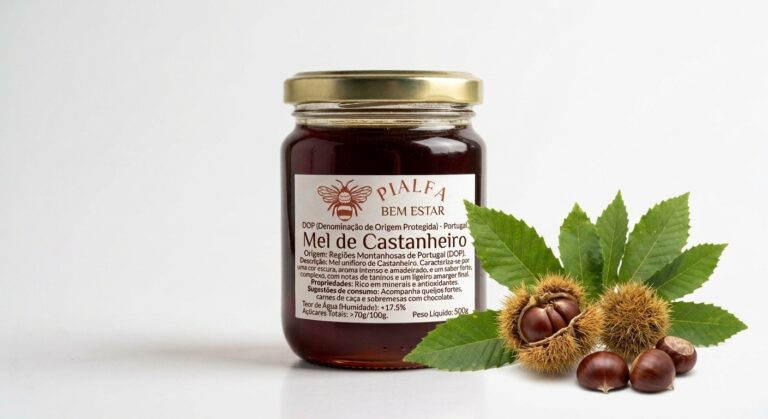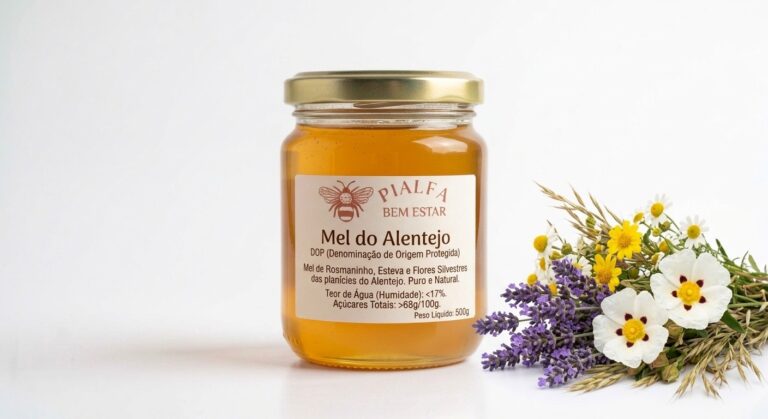

Some evenings the plan is simply to stay in: soft lighting, good conversation and something warm in a cup. A honey tasting with tea can become that ritual, focused on aromas, textures and each other’s company. The mood is part food, part connection: sharing, slowing down and paying attention to flavour.
This isn’t a strict script. Treat it as an invitation to slow down. If the conversation runs on and the tasting is only half finished, that’s fine too.
Setting the table (10 minutes)
- Two cups and a teapot or kettle.
- Two or three different honeys in small portions (saucers or jars).
- Clean spoons (one per honey, if possible).
- Water and some plain bread or a neutral biscuit to cleanse the palate.
- Optional: a mild cheese or seasonal fruit.
A tray helps keep everything together and saves trips back to the kitchen. If you only have one honey at home, the evening still works: compare runny and set (crystallised) texture, or honey on its own versus honey in tea.
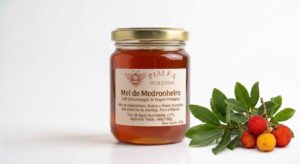
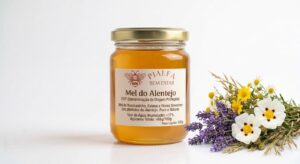
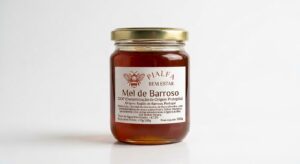
At Pi Alfa you can put together a small contrast with, for example, French lavender honey (more delicate), Terra Quente (highland profile) and heather honey (more intense). Take a look at the Portuguese honey collection too.
Choosing the tea
Gentle teas (light black tea, white tea or herbal infusions without too much bitterness) leave room for the honey. Avoid stirring honey into freshly boiled tea: let the drink cool until warm. That way the honey’s aroma stays clearer. Each of you can sweeten your own cup to taste.
If one of you prefers unsweetened tea, keep the honey for the tasting spoon. There’s no need to mix everything in the same cup.
The tasting ritual (no rush)
1. Look and smell
Compare the colours. Smell each honey. Say your first impression out loud: floral, herbal, intense, mild. There are no right answers. If you like, jot down three adjectives for each jar on a sheet of paper.
2. Taste in silence, then talk
The tip of a spoon is enough. Notice the sweetness, texture and finish. Then share: which one would you serve at breakfast? Which one calls for cheese? Which one would you use in a savoury recipe?
3. Pair it with tea
Taste the same honey from the spoon, then take a sip of tea with a drop of that honey. Notice how the aroma changes. Sometimes an intense honey becomes rounder in tea; other times it loses definition.
Atmosphere and pace
Switch off screens during the tasting, if you can. Quiet music helps. The “result” of the evening is the conversation: preferences, flavour memories, plans for the next tasting board. None of this needs a big budget, just attention.
If the night carries on with a film or a book, tidy the tray first: jars closed, spoons washed. Looking after your honey is also a way of respecting the product.
Variations for another night
- Swap the tea for a short, warm (not hot) coffee, taking care not to scorch the honey.
- Add a different cheese to each tasting.
- Compare the same honey runny and set.
- Invite friends round for a blind tasting with covered jars.
Frequently asked questions
How many honeys should we use?
Two or three are plenty. Any more will tire your palate in a single evening.
Can I use crystallised honey?
Yes. Texture is part of the experience. If you prefer it runny, warm the jar gently in a bain-marie first.
Are there any etiquette rules?
Only hygiene: clean spoons and closed jars at the end. Everything else is mindful informality.
What if we don’t like tea?
Do the tasting with just honey and water, or with bread and cheese. Tea is company, not an obligation.
A short conversation guide (optional)
If you’d like a light thread to follow, ask three questions per honey: “Does it remind you of any food?”; “Would you have this at breakfast or dinner?”; “Would you add cheese, fruit or just tea?”. Write the answers on a sheet and keep it in the pantry: when you open your next new jar, repeat the exercise and compare.
Another fun variation is a blind tasting: one person serves without showing the label and the other describes it. Then swap. The goal isn’t to “guess” the brand name but to build your tasting vocabulary: floral, herbal, intense, short, long, clear, creamy.
If the evening comes with a playlist, choose calm tracks at a low volume. Silence between tastings helps too: thirty seconds without talking lets you notice the finish. End with a glass of water and a simple agreement on the house favourite for next week.
If there’s honey left over from the tasting portions, use it the next day in yoghurt or on toast: you avoid waste and stretch out the memory of the evening. Keep short notes on each person’s favourite: next time you shop, it’ll be easier to choose without buying the same style out of habit.
Conclusion
A night in for two with honey and tea is an invitation to pause: taste, talk and pick your favourites. What stays is the memory of a shared flavour and, if you like, the wish to do it again with another jar.
To plan your next selection, the Pi Alfa shop and the honey page are there whenever you want to browse at your own pace. You can also read a little of Pi Alfa’s story.