
A deeply coloured honey with real character
Among Portuguese honeys, heather honey stands out at first glance. It is usually a dark amber shade, sometimes with reddish glints, and its texture can become thicker over time. On the nose and palate it shows a lingering floral presence, with notes of the countryside, wood and a light resinous touch. It’s a honey for those who enjoy flavours with personality, quite different from the milder, more delicate profiles of other varieties.
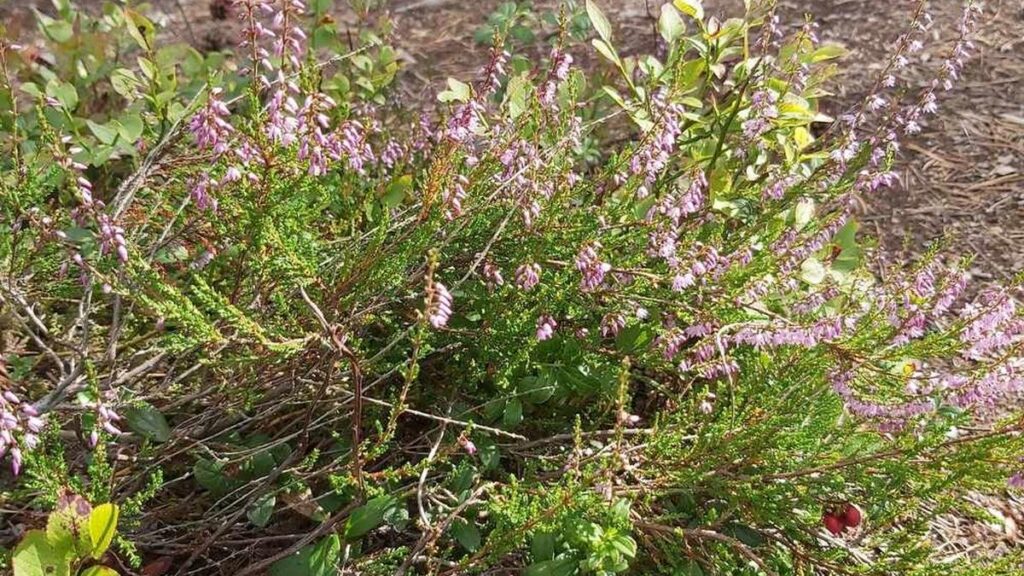
The name comes from heather, the common name for several plants of the genus Erica and related species that flower in scrubland and mountain areas. When bees find these flowers in abundance, the nectar they collect shapes the honey’s sensory profile. The final composition always depends on the available flora, the location, the flowering season and the production conditions. That is why each harvest can show small differences in colour, aroma and consistency.
Where does heather honey’s intensity come from?
Portugal’s mountain areas combine altitude, native scrub and temperature swings that shape the beekeeping landscape. Heather often grows alongside other wild plants. The result is a honey with a predominant floral origin, but with the natural complexity of a biodiverse land.
The dark colour should not be read as a sign of added sugar or any special treatment. It is a visual trait linked to the botanical origin and to the concentration of the nectar’s natural compounds. Crystallisation is also a normal process: it can happen more or less quickly depending on the glucose content, the temperature and the harvest itself. If the honey crystallises, it is still perfectly usable; a gentle bain-marie can make it runny again without overheating it.
To find out more about this honey, see Pi Alfa heather honey. The product page lets you check the available size and the batch-specific information.
How to taste it and recognise its notes
The best way to taste an intense honey is to start with a small amount. Place a spoonful on a plain plate and look first at its colour and shine. Then bring the honey up to your nose: look for the floral side, the scrubland notes and the aroma that lingers. In the mouth, let it pass slowly over your tongue. The flavour may start sweet and move towards a drier, toasted or slightly bitter finish, depending on the harvest.
Heather honey goes well with foods that can stand up to strong flavours. Try it with a firm aged cheese, ricotta or plain yoghurt. A little on mixed-grain bread, cornbread or wholemeal crispbread creates an interesting contrast between the tang of the bread and the honey’s rich sweetness. On a cheese board, it ties together salty, creamy and nutty flavours.
Simple ideas for the kitchen
In the kitchen, this honey works in vinaigrettes, sauces and marinades. Mix a teaspoon with olive oil, wine vinegar or lemon juice and a pinch of salt to dress salads with bitter leaves, apple or cheese. For a marinade, combine it with mustard, garlic and herbs; use just enough to balance the mix, as its flavour is dominant.
It’s also a good choice for finishing desserts that aren’t too sweet. A few drops over roasted pear, baked apple or a slice of plain cake add aroma without masking the other ingredients. If you add it to hot drinks, wait a moment after taking the cup off the heat. That way you’ll better preserve the delicate flavour that is lost at very high temperatures.
Storing and buying wisely
Keep the jar tightly closed in a dry, cool place away from direct light. There’s no need to refrigerate it. Always use a clean spoon to keep out moisture and food crumbs. Crystallisation may change the texture, but it doesn’t mean the honey has gone off.
When choosing, read the origin and label information, compare sizes and think about how you plan to use it. To explore other varieties and find the right size, visit the Pi Alfa honey shop. Heather honey is an especially interesting choice if you’re looking for a dark, aromatic Portuguese honey with a long finish: a delicious expression of the mountain landscape.
Partilhar
Facebook
Twitter
Pinterest
Artigos recentes