
Keeping your energy up through the day rarely comes down to a single miracle food. It almost always depends on a simple mix: enough sleep, good hydration, a bit of movement and a natural diet that combines fresh vegetables, the right amount of protein, good-quality fats and sensibly chosen carbohydrates. In this guide, written for men and women looking for wellbeing, vitality and a healthy lifestyle, we look at foods such as watercress, caviar (for its fatty acid profile), walnuts and other nuts, and the role Portuguese honey can play in small everyday food rituals.
This article is informative and cultural in tone. It is not a substitute for advice from a health professional. The nutrition values shown are typical orders of magnitude (from general sources such as the USDA, food composition tables and summaries by Healthline, WebMD and Medical News Today) and vary with variety, soil, processing and the actual portion on your plate.
What “natural eating” means in everyday life
Put simply, natural eating favours foods that are not heavily ultra-processed: leafy greens, seasonal fruit, pulses, wholegrains where they suit you, nuts, fish or eggs if they are part of your diet, olive oil, fresh herbs and traditional sweeteners such as honey, used in moderation. The aim is not rigid perfection but enjoyable consistency: familiar dishes that are easy to make and keep your energy steady without relying only on caffeine or very sugary snacks.
Practical principles (for men and women)
- Regularity: meals and snacks at a predictable rhythm help avoid energy highs and slumps.
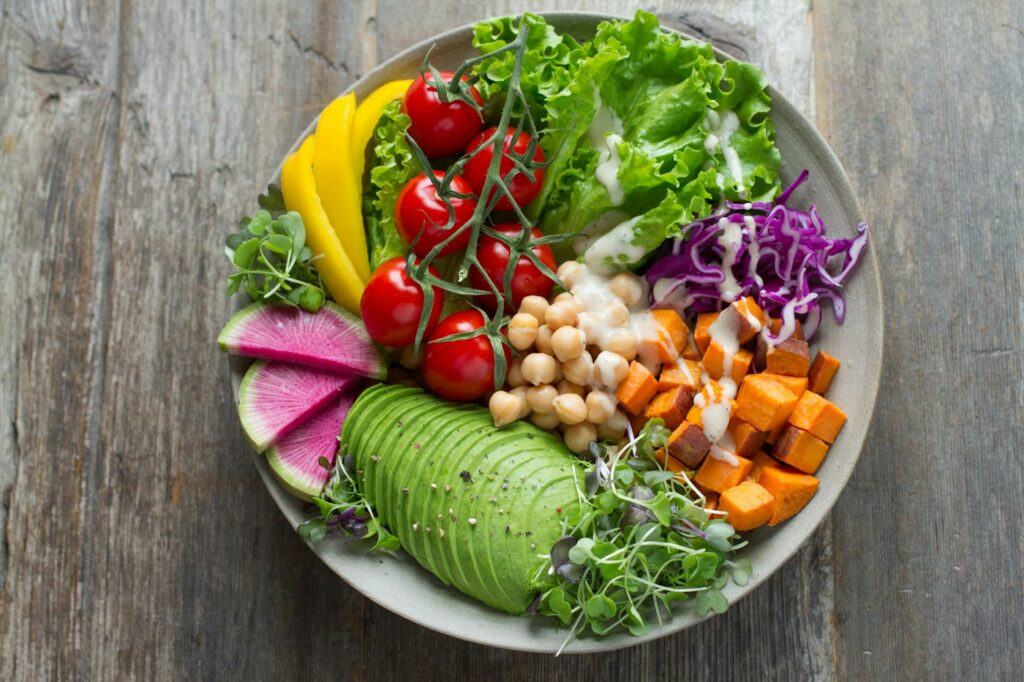
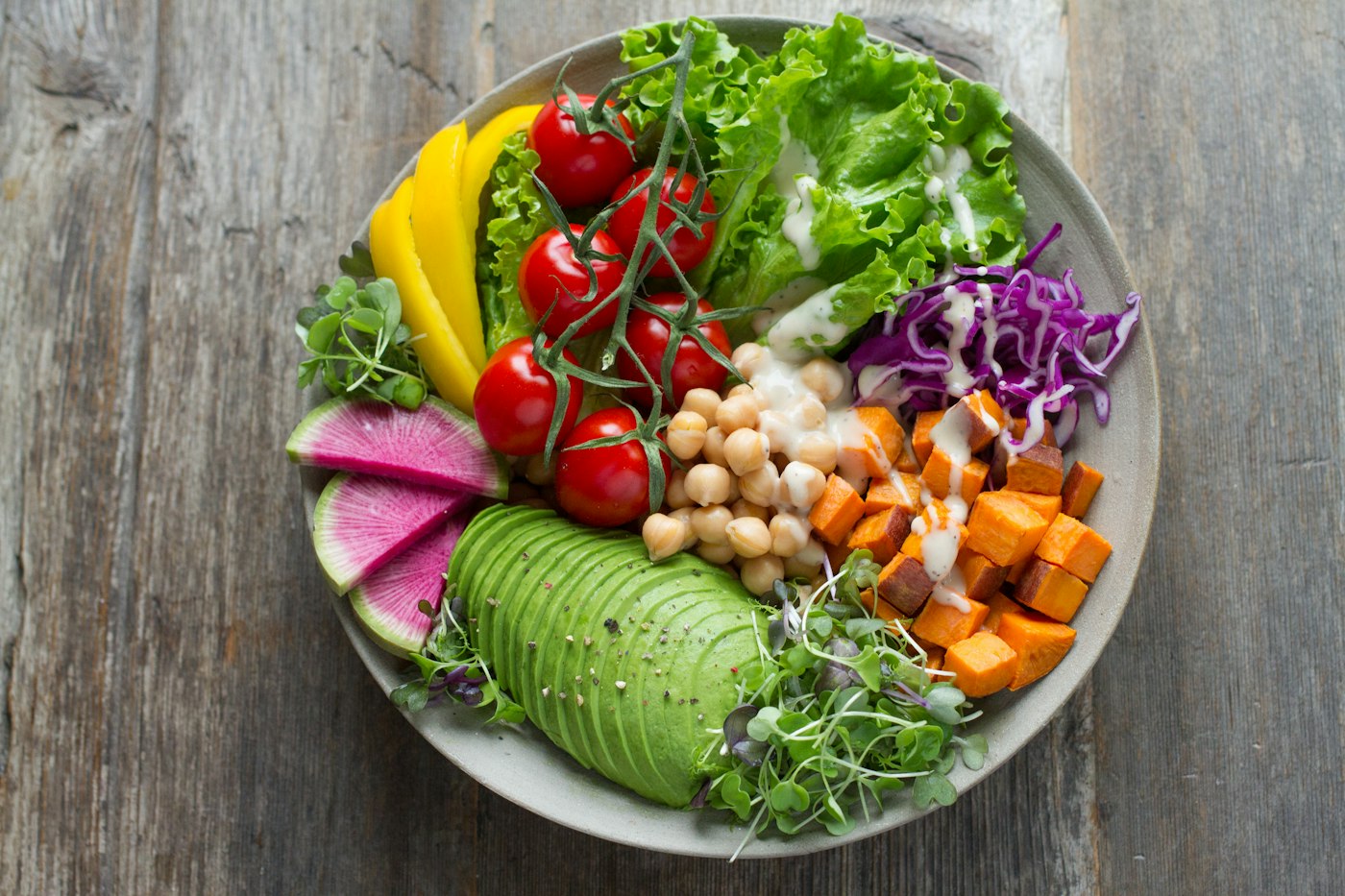
- Colour on the plate: leafy greens and colourful vegetables increase the variety of micronutrients and fibre.
- Quality fats: nuts, olive oil, oily fish or, on special occasions, omega-3-rich foods (such as some caviar preparations) belong to a balanced pattern, not to a stand-alone “superfood”.
- Hydration and breaks: water, herbal teas and short movement breaks matter as much as what is on your plate.
- Sensory pleasure: flavour and ritual (a drizzle of honey, a well-dressed salad) make healthy habits easier to stick to.
Men and women share the same foundations of natural nutrition; calorie needs and some micronutrient needs can differ with age, activity level and life stage. Adjust portions with common sense, or with support from a nutrition professional if needed.
Watercress: green leaves, freshness and nutrient density
Watercress (Nasturtium officinale) is a leafy green with a gently peppery taste, traditionally used in soups, salads and sandwiches. In food composition tables it stands out for being low in calories and relatively rich, per 100 g, in vitamin K, vitamin C and carotenoids, a profile typical of dark leafy vegetables.
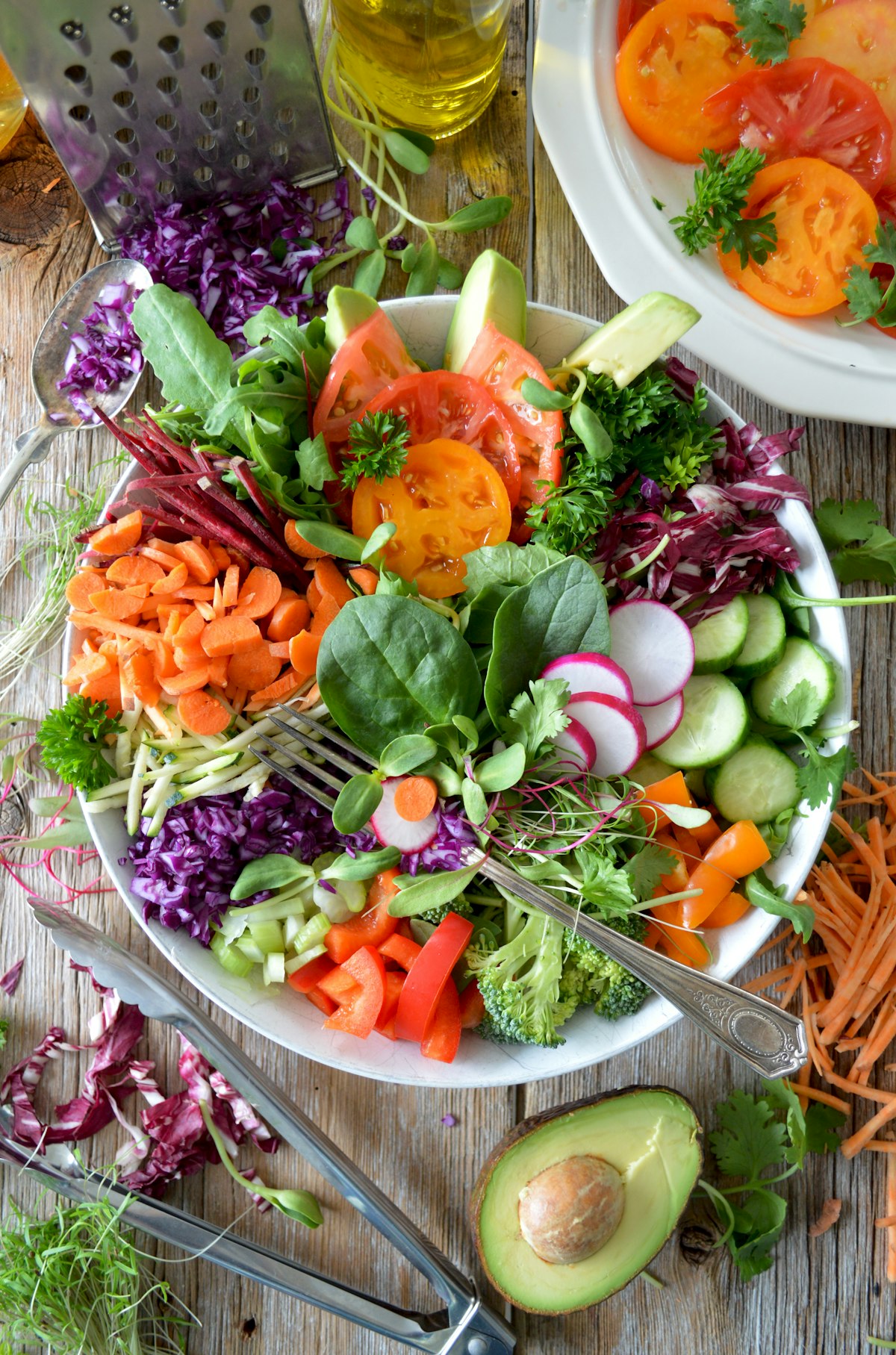
General nutritional benefits of watercress (a practical view)
- Low energy density: adds volume to your plate for few calories, which is useful for lunches that should feel light without leaving you hungry.
- Micronutrients: a typical contribution of vitamin C, vitamin K and folate (values vary; check official tables for specific batches).
- Plant compounds: like other crucifers and peppery leaves, it contains sulphur compounds and antioxidants that are discussed in popular nutrition writing.
- Versatile in the kitchen: raw in salads, stirred into soups at the end of cooking, or blended into homemade green pesto.
- Hydration and freshness: a crisp texture that lifts a dish and pairs well with eggs, grilled fish, fresh cheese or a drizzle of olive oil.
Approximate nutrition values of watercress (per 100 g, raw)
| Nutrient (approx.) | Amount / 100 g | Note |
|---|---|---|
| Energy | ~11–20 kcal | Very low |
| Water | ~90–95 g | Highly hydrating |
| Protein | ~2–3 g | Modest contribution |
| Carbohydrates | ~1–2 g | Low |
| Fibre | ~0.5–1.5 g | Depends on portion |
| Vitamin C | notable contribution* | Sensitive to high heat |
| Vitamin K | high contribution* | Dark green leaves |
| Folate | present* | Varies with origin |
*Exact values depend on the database and the product. Use USDA FoodData Central, national food tables or labels where available. General reading: Healthline (watercress / leafy greens), Medical News Today, WebMD.
How to add watercress to an energy-friendly routine
- Savoury breakfast: scrambled eggs with a handful of watercress and wholegrain toast.
- Lunch: a watercress salad with chickpeas or quinoa, olive oil and lemon.
- Snack: an open sandwich with fresh cheese, tomato and watercress.
- Light dinner: vegetable soup with chopped watercress added at the very end (to keep it fresh and preserve vitamin C).
Wash the leaves well. People with specific dietary restrictions (for example related to vitamin K and medication) should follow professional guidance; this text does not cover clinical recommendations.
Caviar and fatty acids: a sober look at an occasional treat
Caviar (sturgeon roe and similar preparations) is first and foremost a food of tradition and celebration. Nutritionally, it typically stands out for its high protein and fat content, including omega-3 fatty acids (EPA and DHA), as described in food composition databases and popular articles (Healthline, WebMD) on fish and roe.
What its fatty acid profile can mean on your plate
- Long-chain omega-3s: found in many types of roe and oily fish; in general literature they are part of eating patterns linked to mindful habits at the table, without turning caviar into a daily supplement.
- Energy density: it is a concentrated food, so small portions make sense both gastronomically and nutritionally.
- Sodium: many preparations are salty; read the label and balance the rest of the meal with vegetables and water.
- Occasional food: it fits better as a special gesture than as a daily “energy” habit, unlike watercress or walnuts, which are much easier to eat regularly.
Approximate nutrition values of caviar (per 100 g, order of magnitude)
| Nutrient (approx.) | Amount / 100 g | Note |
|---|---|---|
| Energy | ~250–280 kcal | High density |
| Protein | ~20–25 g | High |
| Total fat | ~15–20 g | Includes omega-3* |
| Carbohydrates | ~4 g | Low |
| Sodium | often high | Depends on curing |
| Vitamin B12 / selenium | often present* | Variable |
*Check the product sheet. Do not use these figures for self-treatment. General reading on omega-3 and fish/roe: PubMed, Healthline (“omega-3 fatty acids”), Medical News Today.
How to enjoy it in balance
A teaspoon or a tablespoon on blinis, egg or a small potato, served with green leaves and lemon, is the classic way. Everyday alternatives with a similar omega-3 profile include sardines, mackerel and salmon, which are far more affordable. Caviar stays firmly in the territory of occasional pleasure and food culture.
Walnuts and other nuts: portable natural energy
Walnuts, almonds, hazelnuts, cashews and other nuts are classic natural energy snacks: they provide unsaturated fats, some protein, fibre and micronutrients (such as magnesium or vitamin E, depending on the type). In popular summaries (Healthline, WebMD), walnuts often appear in balanced eating patterns, always with an eye on portion size, because they are high in calories.
Practical benefits of nuts in a healthy lifestyle
- Satiety: fat, fibre and protein help you get through to the next meal.
- Convenience: no fridge needed; they fit in a bag or a desk drawer.
- Versatility: plain, roasted without too much salt, as 100% nut butter, or combined with honey (as in the shop’s honey and nut jars).
- Variety: rotating walnuts, almonds and hazelnuts varies your intake of fatty acids and micronutrients.
Approximate nutrition values: walnuts (per 28 g, about a handful)
| Nutrient (approx.) | Walnuts | Almonds (ref.) |
|---|---|---|
| Energy | ~180–185 kcal | ~160–170 kcal |
| Fat | ~18 g | ~14 g |
| Protein | ~4 g | ~6 g |
| Fibre | ~2 g | ~3–4 g |
| Notes | Alpha-linolenic acid (ALA) stands out in walnuts* | Vitamin E and magnesium often cited* |
*Orders of magnitude; confirm with the USDA or the label. General reading: Healthline (“health benefits of walnuts / almonds”), PubMed (reviews on nuts and diet patterns).
Ideas for eating them through the day
- Morning: plain yoghurt with chopped walnuts and a drizzle of Terra Quente Honey.
- Mid-morning: a handful of almonds and a piece of fruit.
- Afternoon: Honey with Walnuts on toast or with cheese.
- After a walk: a simple snack of hazelnuts and water.
Examples from the Pi Alfa shop
For anyone who likes to combine nuts and Portuguese honey in their daily routine:
- Honey with Walnuts
- Honey with Almonds
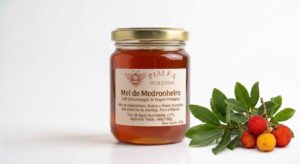
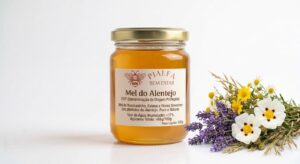
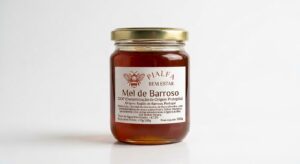
- Terra Quente Honey: versatile with yoghurt and porridge
- Heather Honey: a more intense profile
- Spanish Lavender Honey: floral notes for warm herbal teas
See also the Natural Portuguese Honey category and the Complete Honey Guide.
Other natural foods that support vitality and general wellbeing
Alongside watercress, occasional caviar and nuts, an eating pattern built for vitality usually includes:
- Seasonal fruit: simple sugars, fibre and micronutrients; ideal for snacks.
- Pulses (chickpeas, lentils, beans): plant protein and fibre for steady lunches.
- Oats and other wholegrains: more gradual energy release at breakfast.
- Extra virgin olive oil and herbs: flavour and monounsaturated fats in Mediterranean cooking.
- Fish, eggs or plant-based alternatives: depending on your diet, for protein at main meals.
- A little honey: sweetens with character and tradition; see the Honey Blog articles on natural energy and daily routines.
Healthy habits to keep your energy up all day
Nutrition works best alongside simple routines:
Morning
Drink some water when you wake up. Include protein, fibre and a little good fat (for example eggs and watercress, or oats with walnuts and honey). Avoid skipping breakfast if that usually leaves you unfocused by mid-morning: notice your own pattern.
Mid-morning and afternoon
Choose snacks with some substance (fruit and nuts) rather than only ultra-processed pastries. A 5-minute break to walk or stretch also “recharges” how energetic you feel.
Lunch and dinner
Fill half the plate with vegetables (watercress, salads, cooked vegetables), a quarter with protein and a quarter with well-chosen carbohydrates. Seasoning and a drizzle of olive oil make the habit easier to keep without complicating your cooking.
End of the day
Very heavy dinners and late-night screens tend to steal the next day’s energy. A warm herbal tea with a little honey (without boiling the drink) can mark the end of your routine: a cultural gesture, not a medical prescription.
Related reading on the Honey Blog
Conclusion
A natural diet geared towards everyday energy and wellbeing is built from choices you can repeat: leaves such as watercress for volume and micronutrients; walnuts and other nuts for snacks that last; occasional foods like caviar, enjoyed for their flavour and fatty acid profile without becoming an obligation; and Portuguese honey as a touch of tradition and pleasure in small amounts. Men and women benefit from the same principles (regularity, variety, hydration and movement), adjusting portions to real life.
If you would like to explore the cultural and sensory side of honey, start with the Complete Honey Guide and the Pi Alfa shop. And if you have clinical questions or dietary restrictions, speak to a health or nutrition professional.
Note: this article is informative and cultural in nature, covering natural eating, energy and general wellbeing. It is not a substitute for professional health advice. Honey is not recommended for children under 12 months. Nutrition values are approximate and vary with the product and portion.
Further reading and references
- Healthline: Watercress, Nutrition, Benefits and Recipes
- Healthline: Walnuts 101, Nutrition Facts and Health Benefits
- Healthline: Omega-3 Fatty Acids, A Complete Guide
- Medical News Today: Watercress, health benefits and nutritional breakdown
- WebMD: Health Benefits of Walnuts
- WebMD: Omega-3 Fatty Acids
- PubMed: research on nutrition, leafy vegetables, nuts and fatty acids
- USDA FoodData Central: reference nutrition composition data