

For centuries vitality was a metaphor. Modern science describes molecules and measurements. Between those poles, shoppers can choose serious information and modest habits.
History
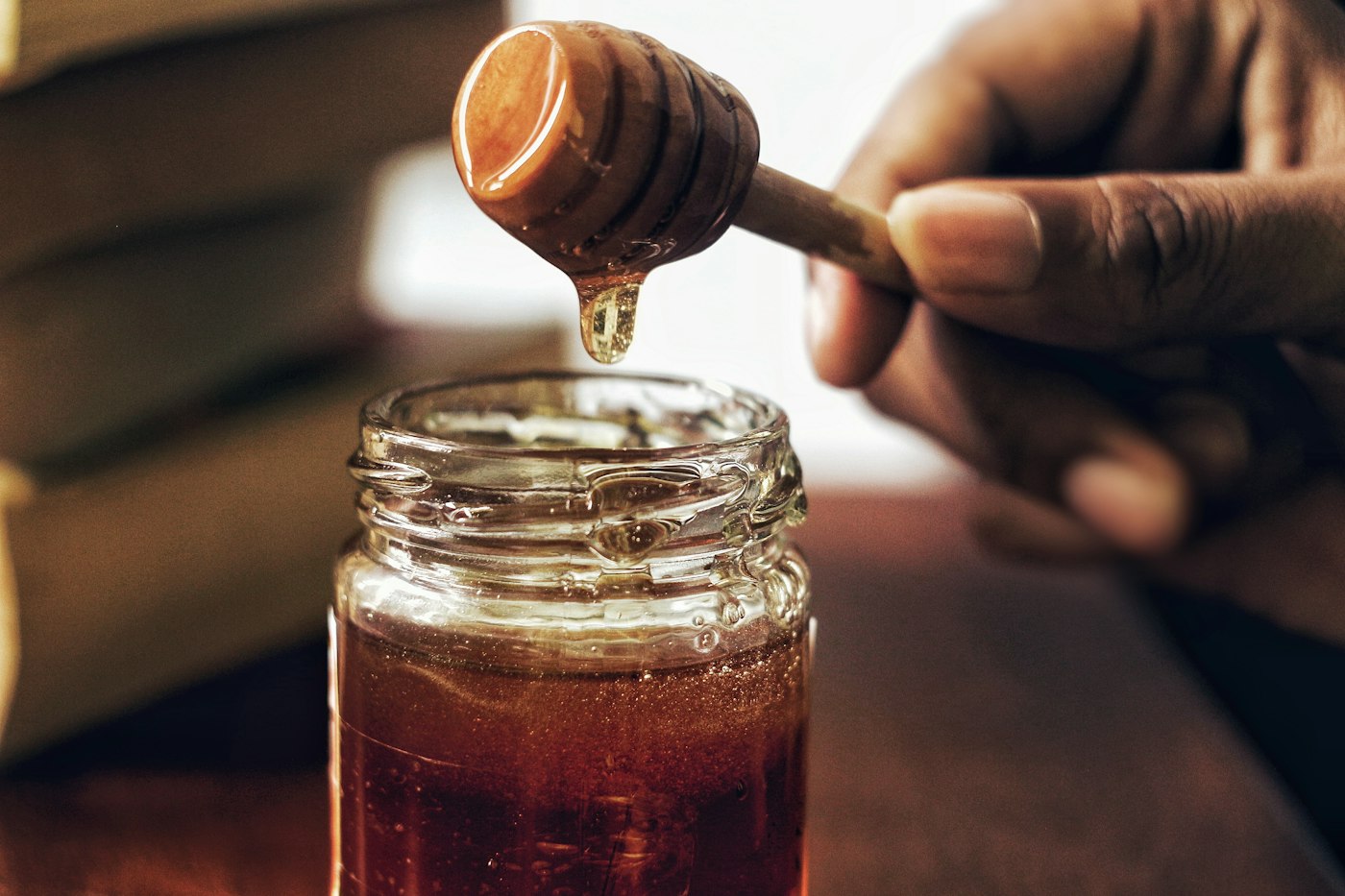
Mythologies and ancient texts linked honey to strength and the sweetness of life. That imagery still shapes marketing and desire — it helps to recognise it.
General benefits (popular science)
Review articles explore antioxidant activity and composition. The evidence varies; the practical consensus is: honey is a food, not a miracle.
How to use it
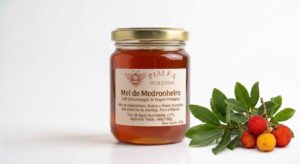
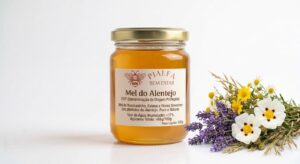
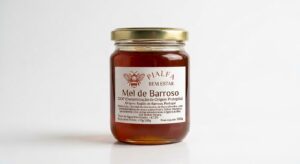
Use honey to enrich sensory experiences — for example a side-by-side tasting of two honeys such as heather and Azores.
Natural ingredients in honey-linked vitality
Note the aromas: floral, woody, intense. Training the palate is wellbeing too.
Editorial cluster: antioxidants and vitality
Related articles on natural compounds, antioxidants and vitality:
- Honey and antioxidants: reading vitality with a critical eye
- Honey and vitality: natural compounds, antioxidants and historical uses
- Natural compounds in honey and everyday wellbeing
Keep exploring honey, wellbeing and vitality
- Morning routines with honey for a lighter day
- Honey in traditional natural-care practices
- Honey and natural energy in your daily rhythm
- Honey for everyday wellbeing and energy
- The Complete Honey Guide — our central page on honey, tradition and wellbeing
Note: informational and cultural content about honey and general wellbeing. It is not a substitute for professional health advice. Honey is not recommended for children under 12 months.
General references