

Putting honey on your skin isn’t a social-media invention. It’s an old beauty shortcut, and it deserves the same hygiene you’d use in the kitchen.
Honey on the skin: an old ritual with modern hygiene
Pure honey masks, honey and oats, honey and yoghurt: the internet is full of recipes. Cosmetic tradition recognises honey as a humectant, meaning it draws in and holds moisture on the surface of the skin. Popular health sites (Healthline) also mention properties linked to honey’s osmotic environment, always in a general cosmetic sense, never as a home treatment for wounds without professional advice.
How to try it sensibly
- Good-quality food-grade honey and a clean jar.
- A thin layer on a clean face for 10–15 minutes.
- Rinse with lukewarm water, then moisturise.
- Don’t use it on young children; avoid it if you’re allergic to honey or pollen.
Honey for the table and honey for the bathroom
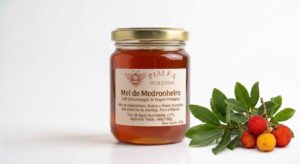
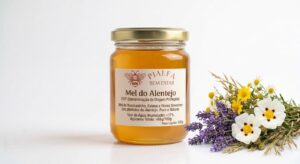
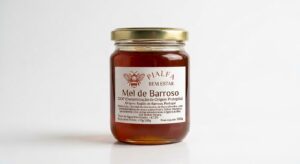
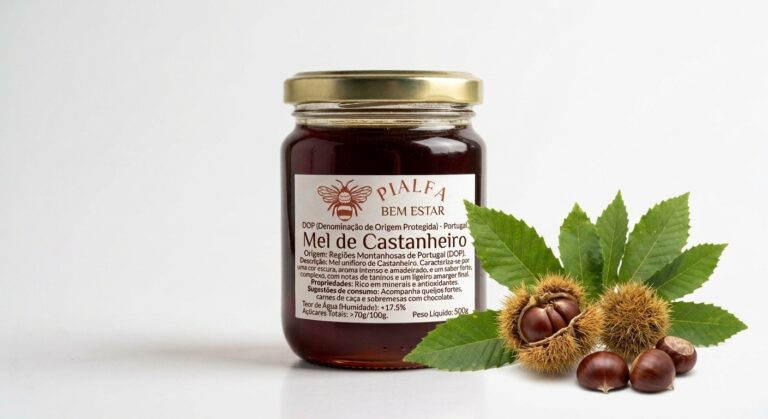
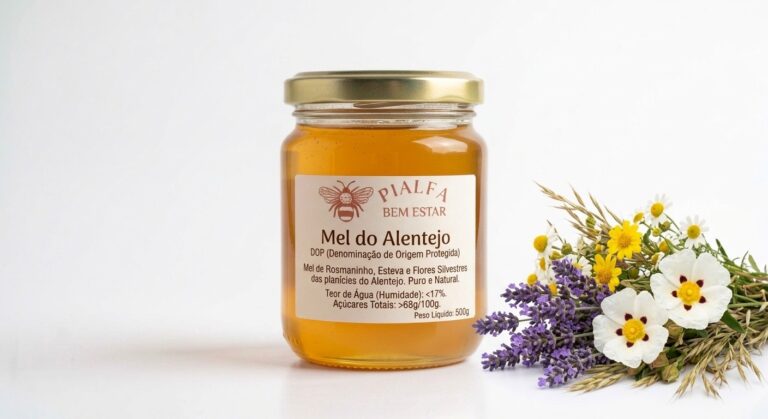
The same honey that sweetens your yoghurt can occasionally double as a face mask, but keep food use and skin use separate in your mind, and never put honey that has touched your skin back in the jar. For the table, keep choosing clearly labelled, Portuguese-origin honeys from Pi Alfa.
Keep reading
Note: informative and cultural content about wellbeing, tradition and lifestyle. It is not a substitute for professional health advice. Honey is not recommended for children under 12 months. For topical use, do a patch test and read the labels.
Further reading and references