Some people recognise rosemary with their eyes closed: the smell of a beaten-earth path and a Sunday oven switched on.
Rosemary: the scent of dry paths
In the Alentejo, the Algarve or on the limestone slopes of the Mediterranean, rosemary grows as if it never asked permission. Dry sprigs in the kitchen, roast potatoes, focaccias, flavoured oil: the herb is tied to an idea of a sunny house and a generous table. It also appears in personal-care traditions — home lotions and rinses — always in the realm of culture and custom, not diagnosis.
Aromatic compounds in plain language
Rosemary contains essential oils rich in molecules such as cineole and carnosic acid/carnosol, discussed in phytochemical literature and popular texts (Medical News Today, PubMed). In cooking practice, what matters is the resinous aroma and the way it holds oven heat better than more delicate herbs.
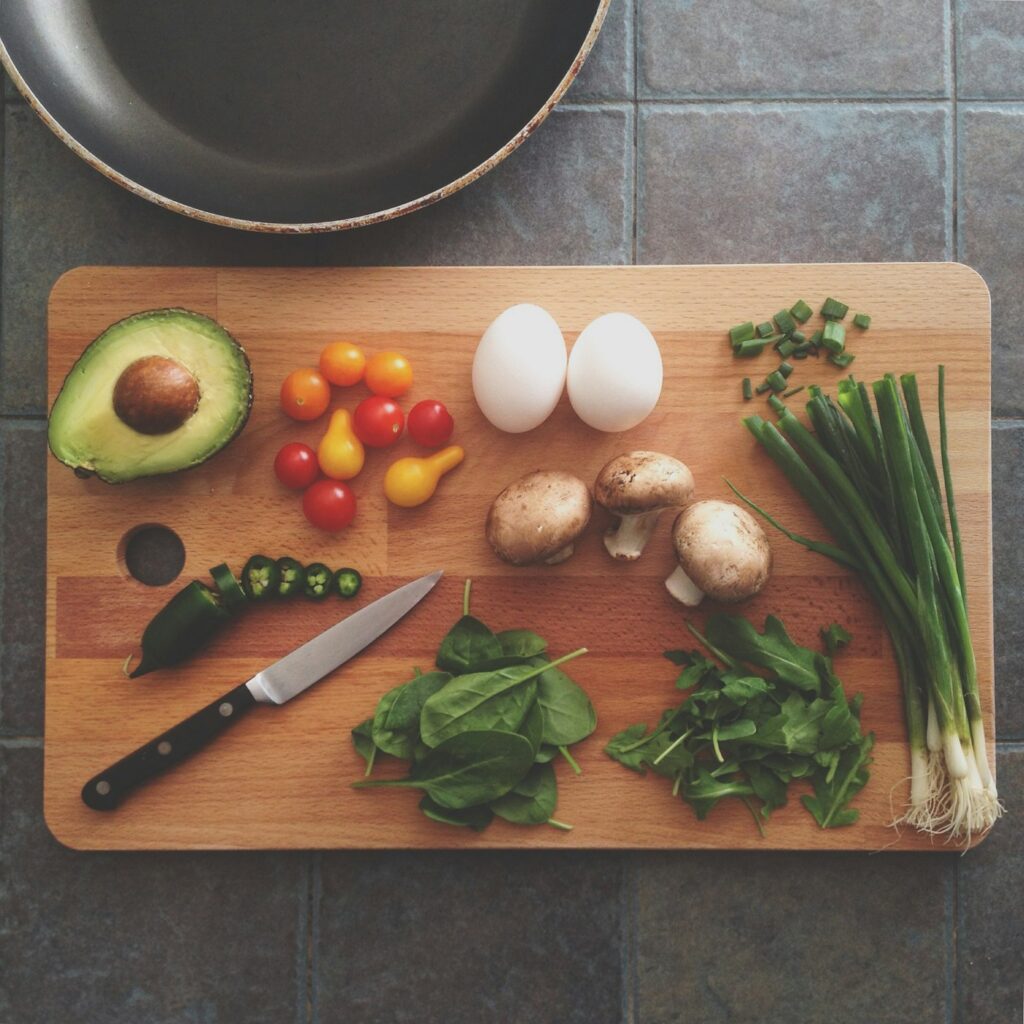
In the kitchen
- Roasts of vegetables and potatoes.
- Olive oil in a gentle bain-marie with sprigs (then strain).
- Light infusion: short contact time so it does not turn bitter.
In traditional personal care
Some traditions use rosemary rinses on the hair as an aromatic gesture. If you try, use skin-appropriate preparations, avoid eye contact and patch-test a small area.
Vitality as landscape — not as a promise
Linking rosemary to “vitality” makes sense on a symbolic and sensory level: the smell is waking, the plant is hardy, the kitchen feels more alive. Keep your feet on the ground — real vitality still means sleep, relationships and movement.
Keep reading
- The Complete Honey Guide
- Honey and natural energy in the rhythm of the day
- The role of honey in wellbeing routines
Note: informational and cultural text on wellbeing, tradition and lifestyle. It does not replace professional health advice. Honey is not recommended for children under 12 months. For topical care, do a sensitivity test and read labels.