
Note: this article is for informational and lifestyle purposes. It does not replace diagnosis, treatment or medical advice. If you have persistent symptoms, speak with a healthcare professional.
Testosterone is influenced by age, sleep, body weight, physical activity, illness and medication. No food reliably raises hormone levels in healthy people. What diet can do is contribute to normal body function and quality of life — especially when there are avoidable nutritional gaps.

Nutrients with a role in hormonal regulation
Several micronutrients take part in enzyme pathways and general metabolism. In the context of an adequate, varied diet, zinc, quality protein, essential fats and vitamin D (via sun, food or clinical advice) are often mentioned in nutrition and endocrinology literature. The useful message is to avoid highly restrictive and ultra-processed diets.
Pumpkin seeds and zinc
Pumpkin seeds are a practical plant source of zinc, a mineral involved in many body functions. A tablespoon in salads, soups or yoghurt is a simple way to include them. Zinc is also found in meats, seafood and legumes.
Eggs
Eggs provide complete protein, choline and several micronutrients. They can form part of breakfast or quick meals (boiled, scrambled with vegetables, omelettes). They are an accessible, versatile food in a balanced eating routine.
Oily fish
Sardines, mackerel and salmon provide protein and omega-3 fatty acids. Alternating oily fish with legumes, poultry and other protein sources helps diversify the diet without relying on supplements.
Garlic in home cooking
Garlic is not a “testosterone raiser”, but it improves the flavour of dishes with less salt and makes vegetables and proteins more appealing. Used in gentle sautéing or roasting, it supports home-cooking habits — often more important than any single ingredient.
Serving ideas
- Scrambled eggs with spinach and tomato at breakfast.
- Chickpea salad with sardine, greens, olive oil and pumpkin seeds.
- Roasted vegetables with garlic and a protein source at dinner.
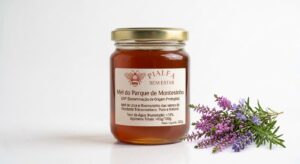
- Snack: plain yoghurt, seeds and a drizzle of Portuguese honey.
Lifestyle and quality of life
Consistent sleep, strength training suited to fitness level, stress management and lower tobacco and alcohol use usually weigh more on hormonal health than any single food. Symptoms such as extreme fatigue, persistent loss of libido or unexplained changes should be assessed by a doctor — not self-diagnosed from online ads.
Hormonal balance and common myths
The internet is full of lists of “foods that raise testosterone immediately”. Reality is more nuanced: severe deficiencies (for example of zinc in specific clinical settings) can affect health, but in people with an adequate diet the effect of a single food is usually modest. Very low-fat or very low-calorie diets, excessive training without recovery and chronic sleep deprivation tend to be more harmful than the absence of a “special” ingredient.
A practical approach: make sure meals include protein, add oily fish or plant alternatives rich in quality fats, use pumpkin seeds as a complement and cook with garlic and aromatic herbs. Portuguese honey can appear as an occasional sweetener in yoghurt and porridge, always in small portions. If you suspect hypogonadism or have relevant symptoms, clinical assessment (including hormone testing when indicated) is the right step — not self-medication.
Conclusion
Foods rich in zinc, protein and quality fats — such as pumpkin seeds, eggs, oily fish and cooking flavoured with garlic — support a solid nutritional base. Honey can complement meals with natural sweetness in modest portions. Healthy hormonal balance is built with consistency, not shortcuts.