
Honey has been with humanity for thousands of years as a sweet, versatile food closely tied to rituals of self-care. In many homes it is still a simple wellbeing gesture: a spoonful in tea, a drizzle at breakfast, a flavour that sets the rhythm of the day — with a focus on natural energy and everyday vitality.
In this article we gather practical ideas for fitting honey into a balanced routine, focusing on natural energy, sustainable habits and sensory pleasure — always in an informative, realistic tone.
Why honey belongs in wellbeing and natural-energy routines
Honey is, first and foremost, a food. In its natural state it combines sugars from flowers, water and minor compounds that vary with floral source and region. Many people associate it with a sense of everyday vitality — not because of miracles, but because it is easy to use, tasty and culturally familiar.
As a lifestyle choice, honey works well when it replaces or accompanies ultra-processed sweeteners in home cooking: yoghurt, porridge, toast, smoothies or hot drinks. The goal is not to “cure” anything, but to make your routine more mindful and enjoyable.
General benefits of honey in daily life: wellbeing and convenience
- Convenience: no cooking needed; enjoy it cold or slightly warmed.
- Versatility: pairs with fruit, nuts, cereals and herbal teas.
- Ritual: making a drink with honey can mark restful breaks.
- Natural origin: chosen with a clear label, it connects you to real landscapes and beekeeping.
Popular-science and general nutrition sources (Healthline, Medical News Today, WebMD and databases such as PubMed) describe honey as a food with small amounts of vitamins and minerals and variable phenolic compounds. Use these readings as a starting point — not as medical advice.
How to use honey to support your natural energy through the day
- Morning: a small spoonful in natural yoghurt or oat porridge.
- Mid-morning: seasonal fruit with a drizzle of honey and a handful of walnuts.
- Afternoon: warm (not boiling) tea or herbal infusion with honey, for an unhurried break.
- After light exercise: a simple mix of carbohydrates and fluids, depending on what your body tolerates.
Choose warm water or drinks that are not boiling, to better preserve aromas and heat-sensitive compounds.
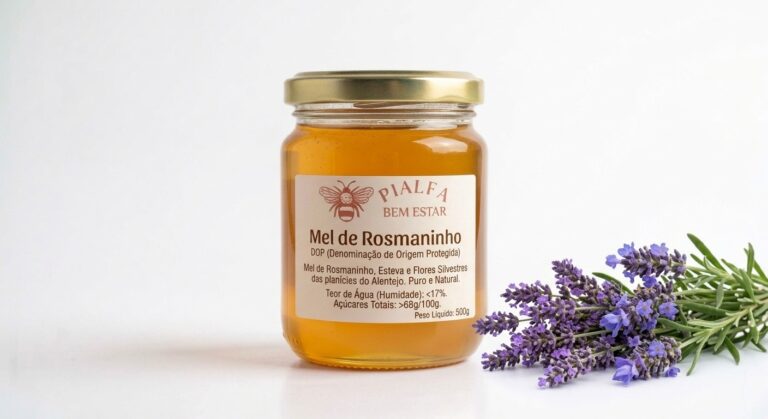
Examples from the PIALFA shop
You can browse these products for reference (they may be updated later):
See also the category Natural Portuguese Honey · PIALFA Shop
How to choose a honey for everyday use and a healthy lifestyle
For daily use, many readers prefer honeys with a balanced flavour and an easy-to-spread texture. In Portugal, profiles such as Terra Quente honey or lavender (rosmaninho) honey offer different experiences, from softly floral to more pronounced. Heather honey tends to be more intense — ideal if you enjoy deep aromas.
Always read the label: origin, type of honey and storage conditions. Crystallisation is a natural process in many honeys and does not, on its own, mean a loss of quality.
Quick FAQ
Can I eat honey every day?
Like any sweet food, honey should fit within a balanced diet. A sensible amount depends on your routine and on the guidance of your healthcare professional.
Can honey replace coffee?
No. It can be part of a morning ritual, but it does not replace the effect of caffeine or good sleep and hydration habits.
Note: this article is informative and cultural content about honey and general wellbeing. It does not replace professional health advice. Honey is not recommended for children under 12 months.
Editorial cluster: Natural Energy
Related articles on honey, natural energy and everyday vitality:
- Honey and natural energy in your daily rhythm
- Morning routines with honey for a lighter day
- Honey and natural nutrition in the adult diet
- Daily balance with honey: simple practices that last