
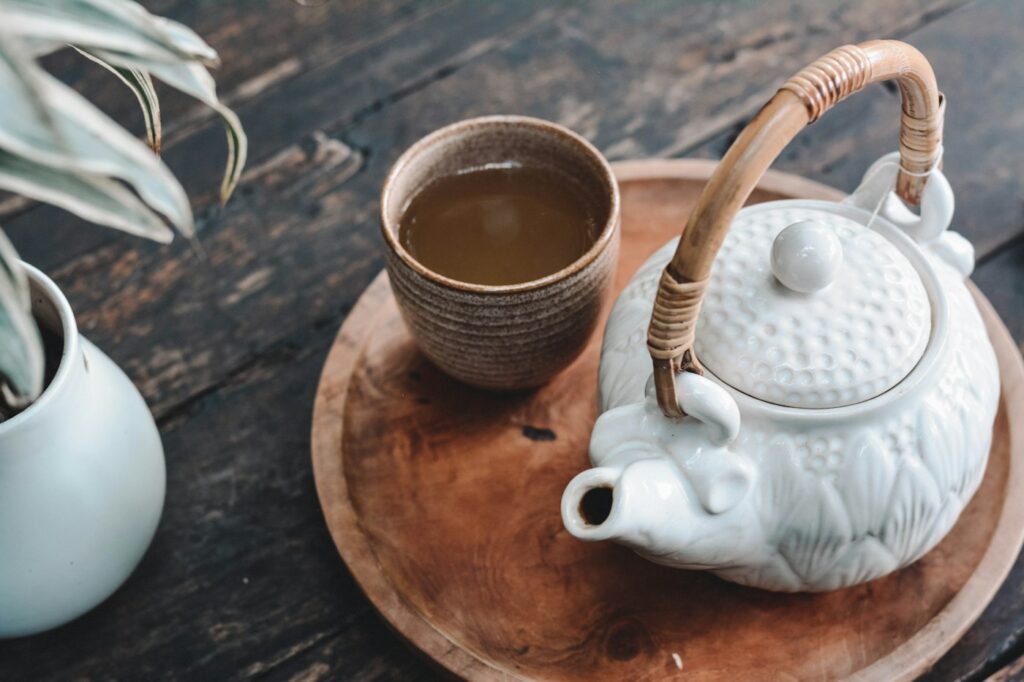
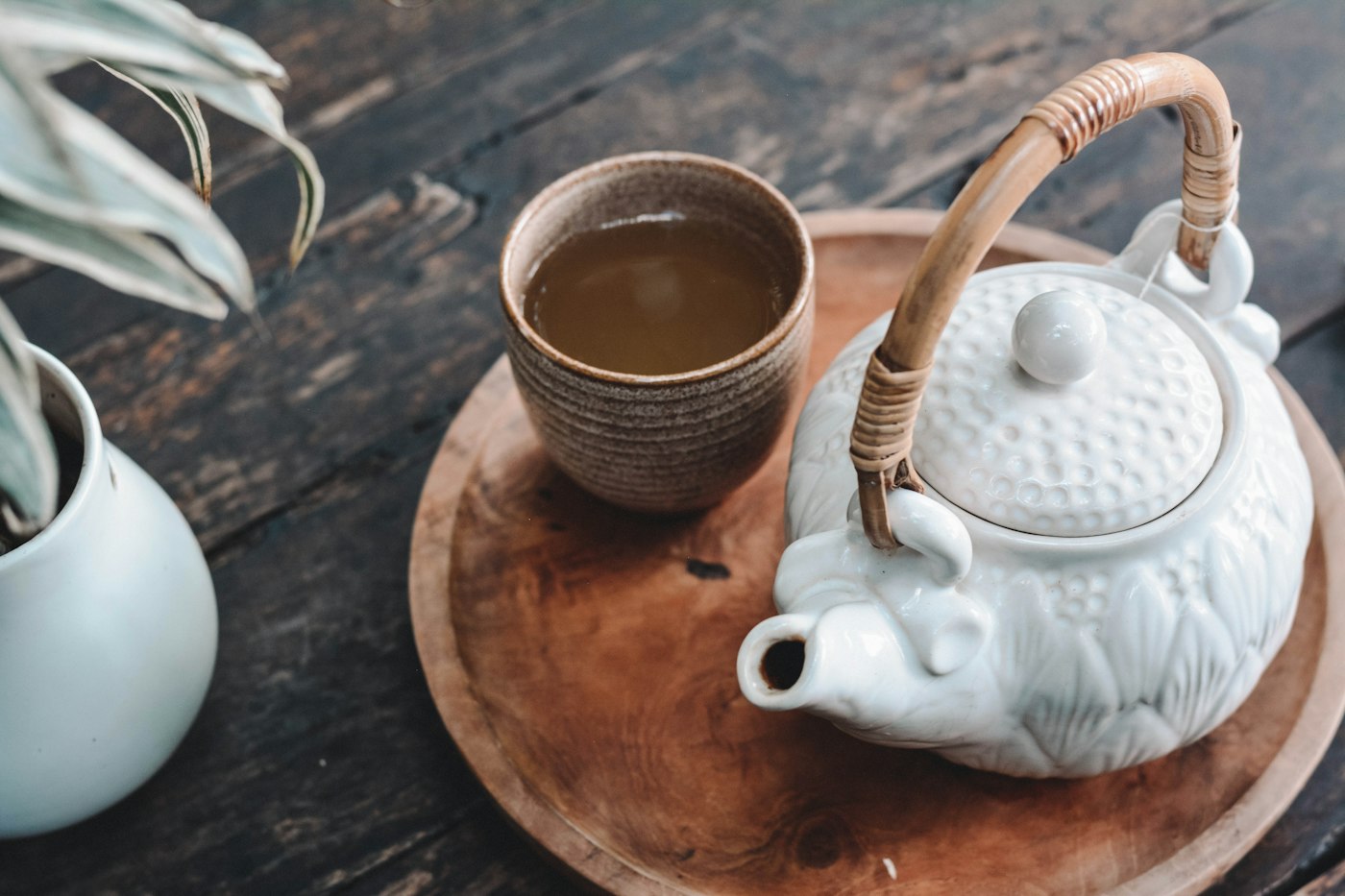
Chamomile needs no elaborate introduction. It needs hot water and someone willing to wait three minutes without touching their phone.
Chamomile: the end-of-day cup
Some people only associate chamomile with “granny’s tea”. That may be exactly why it works: it evokes care without effort. Dried flowers, hot water, a few minutes of waiting. In many European cultures, chamomile (Matricaria or Chamaemelum) belongs to the domestic repertoire of pauses.
Compounds and informative reading
Healthline and WebMD texts mention flavonoids and terpenoids (such as apigenin, in popular communication) present in chamomile. The subjective “slowing the pace” effect many people describe mixes aroma, ritual and cultural expectation. Do not turn that into self-medication for sleep or anxiety — speak with a professional if you need clinical support.
How to prepare a ritual worth repeating
- Use hot water, not necessarily a violent boil for minutes.
- Cover the cup to hold aromas.
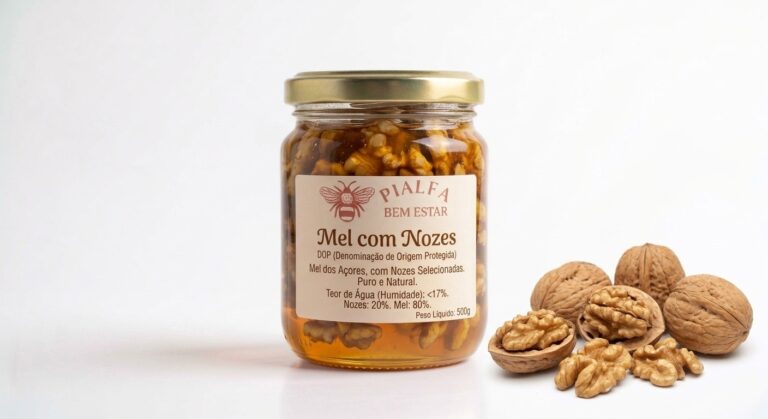
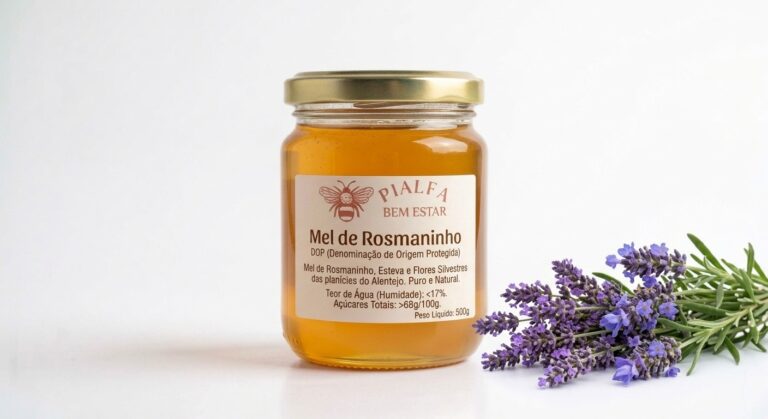
- Sweeten lightly, if at all — a drizzle of honey is enough.
- Pair with low light and no screen for five minutes.
Simple self-care
Chamomile also appears in floral waters and traditional skin lotions. At home, the golden rule is simplicity and hygiene: fresh preparations, clean jars, and stop at the first sign of irritation.
Keep reading
- The Complete Honey Guide
- Honey and natural energy in the rhythm of the day
- The role of honey in wellbeing routines
Note: informational and cultural text on wellbeing, tradition and lifestyle. It does not replace professional health advice. Honey is not recommended for children under 12 months. For topical care, do a sensitivity test and read labels.