
Complete Honey Guide
Honey is one of the oldest foods on the human table: sweet, versatile and deeply tied to landscapes, flowers and beekeeping communities. In many cultures it accompanies gestures of hospitality, care rituals and a simple idea of wellbeing — not as a miracle, but as part of a conscious lifestyle.
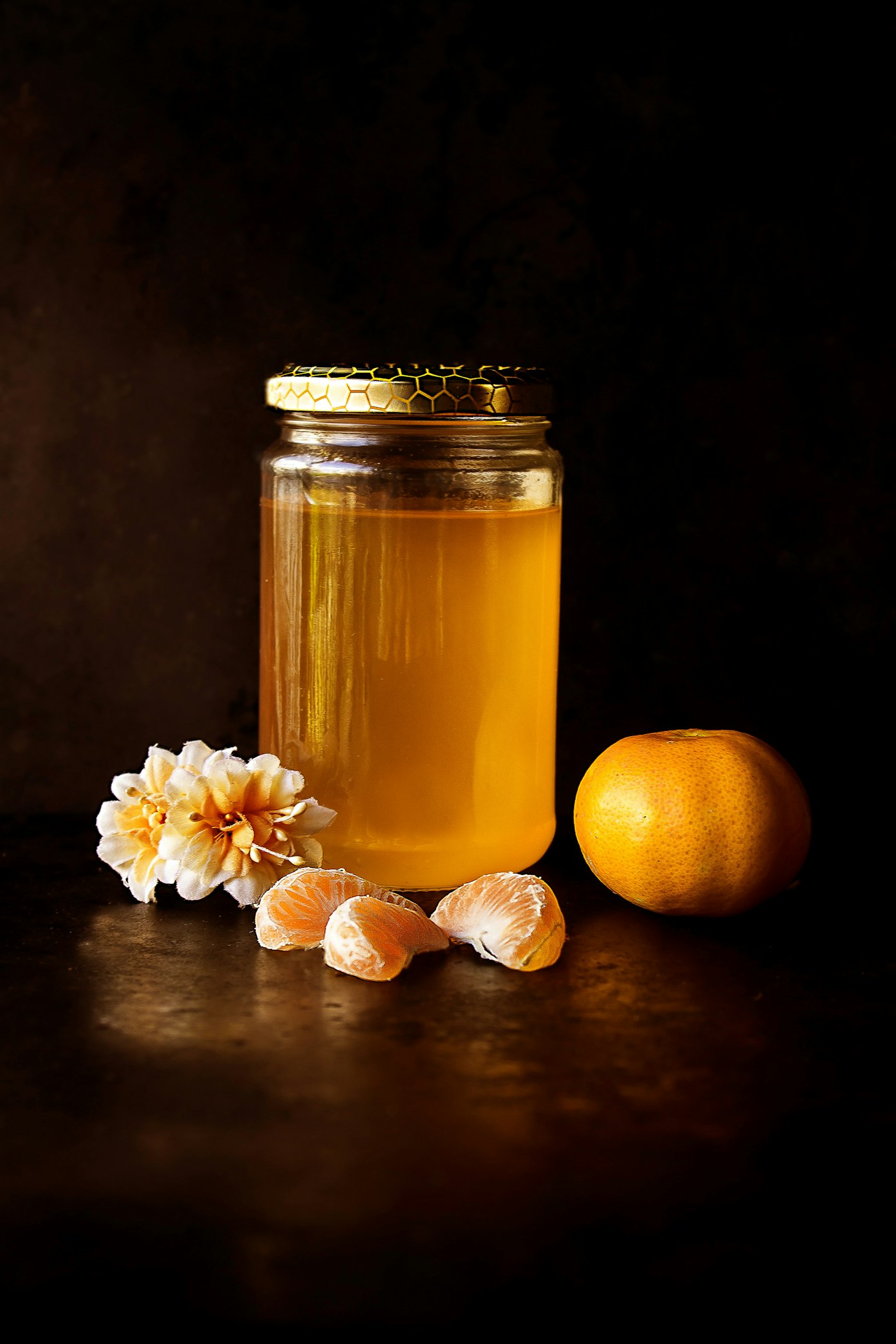
This Complete Honey Guide brings together history, culture, natural energy, compounds discussed in popular science writing, healthy routines and types of Portuguese honey — with links to articles from Pi Alfa’s Honey Blog. The tone is informative and global: no clinical claims and no exaggerated promises.
The history of honey
Rock paintings, Egyptian texts and Mediterranean traditions show honey as food, offering and symbol of abundance. Across the centuries it travelled trade routes and family tables, keeping a practical role: sweetening, preserving and marking special moments. Understanding that history helps us see honey as food heritage — not just a shelf product.
To go deeper into historical uses and the dialogue between tradition and scientific curiosity, explore the history cluster articles and those on antioxidants and vitality.
Articles in the «Honey History and Tradition» cluster
Honey across different cultures
From the Mediterranean to the Middle East, from Europe to Asian table practices, honey appears in tea, bread, yoghurt, desserts and gestures of welcome. Each region values distinct florals — heather, rosemary, chestnut, mountain flowers — and links honey to hospitality and everyday care.
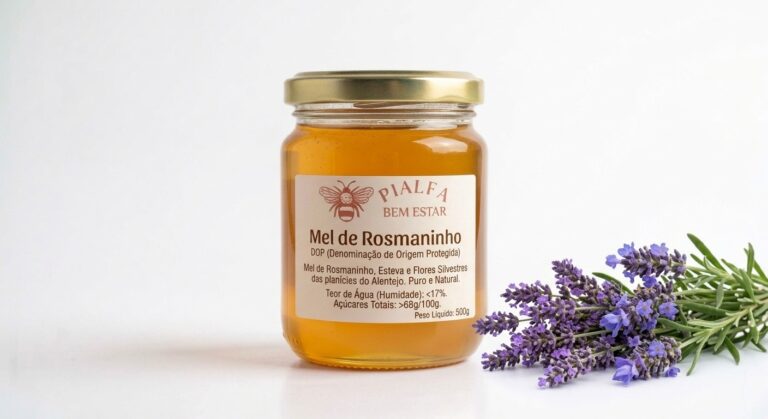
In the Pi Alfa shop, profiles such as Terra Quente Honey, Heather Honey and Rosemary Honey illustrate the sensory diversity of Portuguese honey.
Natural energy and vitality
Day to day, many people associate honey with a sense of natural energy: it is a concentrated food, easy to use and culturally familiar. In balanced routines it works well at breakfast, in snacks with fruit and nuts, or in a warm infusion — always as part of mindful eating, not as a substitute for sleep, hydration or movement.
Articles in the «Natural Energy» cluster
Antioxidants and natural compounds
Popular nutrition sources (Healthline, Medical News Today, WebMD) and indexed literature (PubMed) describe honey as a complex matrix: natural sugars, water and minor compounds — including phenolics — that vary with floral origin and territory. That information deserves a critical reading: it enriches curiosity about the food, but does not replace professional health advice.
Articles in the «Antioxidants and Vitality» cluster
Honey in healthy routines
Honey fits well into simple habits: preparing breakfast with intention, marking an afternoon pause, reducing ultra-processed sweeteners at home, or creating an end-of-day ritual with tea. The aim is pleasant consistency — wellbeing and a healthy lifestyle — without obsession.
Articles in the «Wellbeing and Healthy Routines» cluster
Honey types: Terra Quente, Heather, Rosemary and more
Choosing a honey is also choosing an aromatic profile and an origin:
- Terra Quente Honey — floral balance, versatile every day.
- Heather Honey — a deeper, more intense aroma.
- Rosemary Honey — distinctive aromatic notes typical of Mediterranean flora.
- Chestnut Honey, Azores Honey, Honey with Walnuts and others in the Portuguese Natural Honey category.
Always read the label: origin, type and storage. Crystallisation is common and natural in many honeys.
Full map of Honey Blog articles
All articles published in this editorial line on wellbeing, natural energy and tradition:
- Honey and natural energy in the rhythm of everyday life
- Honey for everyday wellbeing and energy
- Morning routines with honey for a lighter day
- Honey and natural nutrition in adult diets
- Daily balance with honey: simple practices that stick
- The role of honey in mindful wellbeing routines
- Honey in wellbeing routines and a balanced lifestyle
- Honey and a balanced lifestyle: practical principles
- Modern healthy habits with a touch of honey
- Mindful eating: honey’s place on the plate
- Honey in traditional natural-care practices
- Honey as a traditional food across cultures
- Honey as a cultural and functional food on the global table
- Self-care and honey: traditional gestures revisited
- Honey and antioxidants: reading vitality with a critical eye
- Honey and vitality: natural compounds, antioxidants and historical uses
- Natural compounds in honey and everyday wellbeing
- Vitality, honey, history and science in dialogue
Also explore the Honey Blog category and the Pi Alfa shop.
Note: this guide is informative and cultural about honey, general wellbeing and lifestyle. It does not replace professional health advice. Honey is not recommended for children under 12 months.