Calling honey a “functional food” can be useful as a metaphor for versatility — as long as it is not confused with a regulatory medicinal category — between tradition, history and cultural uses of honey.
General benefits in global cooking
In sauces, marinades, breads and light desserts, honey balances acidity and saltiness. It is a culinary wild card with a floral identity.
Cultural history
Festivals, weddings and rites of passage in many regions include the sweetness of honey. That social role explains its lasting place in pantries.
How to use it
- Honey and mustard vinaigrette
- Fresh cheese with a drizzle of honey
- Greek yoghurt with almonds
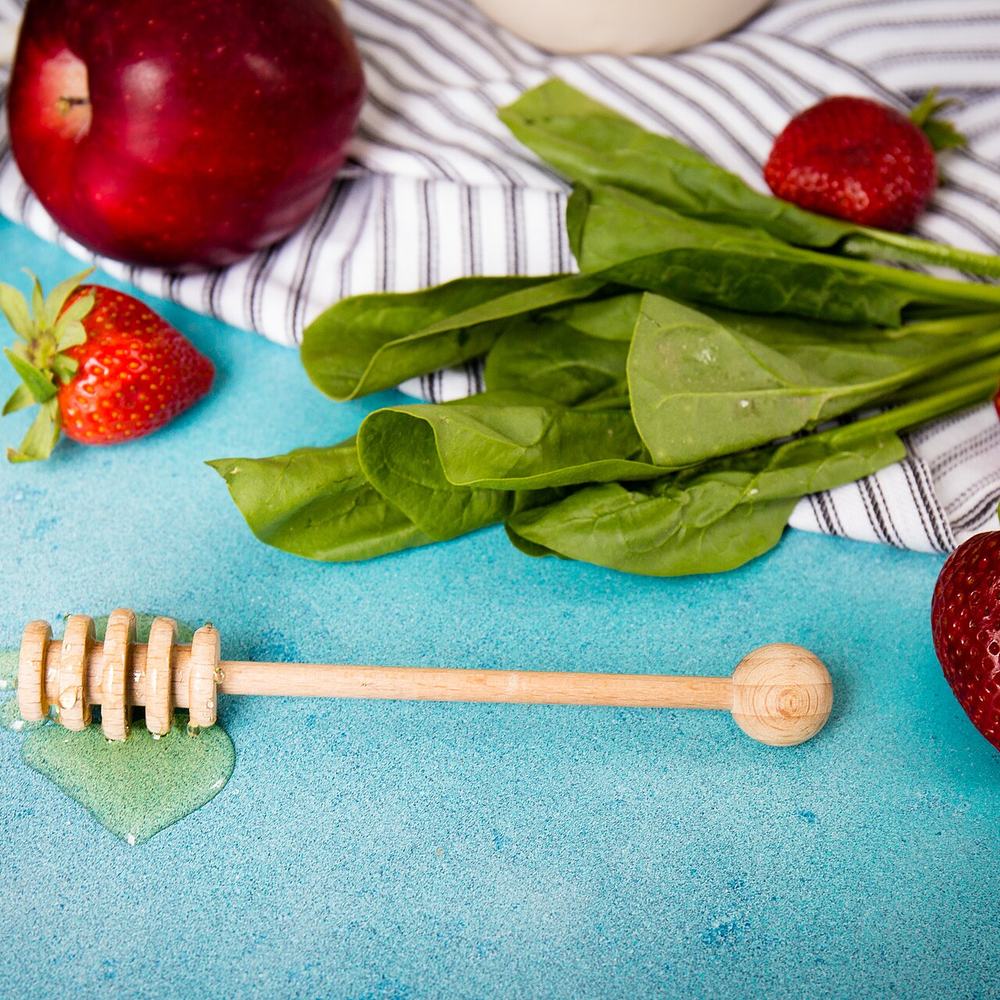
Natural ingredients on honey tables around the world
Pair honey with gentle spices (cinnamon, cardamom), citrus and dried fruit for simple, international dishes.
Editorial cluster: History and tradition of honey
Related articles on the history, culture and traditions of honey:
- Honey in traditional natural-care practices
- Honey as a traditional food across cultures
- Self-care and honey: traditional gestures revisited
Keep exploring honey, wellbeing and vitality
- Honey in wellbeing routines and a balanced lifestyle
- Honey and antioxidants: reading vitality with a critical eye
- Honey and natural energy in the rhythm of the day
- Honey for everyday wellbeing and energy
- The Complete Honey Guide — our central page on honey, tradition and wellbeing
Note: informational and cultural content about honey and general wellbeing. It does not replace professional health advice. Honey is not recommended for children under 12 months.