Opening a jar of cinnamon is almost cheating: the whole house smells like an autumn afternoon, even in April.
Cinnamon: the scent that warms the house
A stick in the mulled-wine pot, powder in the porridge, a roll in the puff pastry — cinnamon is a spice of memory. There are differences between “true” cinnamon (Ceylon) and cassia; both are aromatic, with distinct profiles and compound levels. At home, the essentials are a reliable origin and a light hand.
Natural compounds in perspective
Science communication (Healthline, WebMD) often talks about cinnamaldehyde and studies on glucose metabolism — territory where the reader should keep a critical eye and avoid self-prescription. In everyday wellbeing, cinnamon shines as a comfort aroma and as a partial alternative to ultra-processed sugars in porridges and yoghurts.
Gentle-energy rituals
- Overnight oats with cinnamon and fruit.
- Coffee or tea with a small piece of stick.
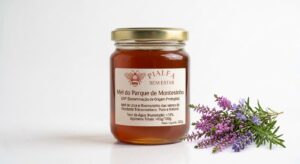
- Baked apple with cinnamon and honey.
- Homemade granola with little sugar.
Keep reading
- The Complete Honey Guide
- Honey and natural energy in the rhythm of the day
- The role of honey in wellbeing routines
Note: informational and cultural text on wellbeing, tradition and lifestyle. It does not replace professional health advice. Honey is not recommended for children under 12 months. For topical care, do a sensitivity test and read labels.