
Thyme does not show off in the pot: it stays discreet, dry, intense — and then it saves the roast.
Thyme: small, intense, from the hills
Thyme endures sun and poor soil — and that is why it tastes of dry summer and roast meat. In Portuguese cooking it goes into marinades, fish soups, vegetables and breads. It is a trusted herb: it dries well, keeps for months, and a sprig changes the character of an olive oil.
Thymol and aroma
Thymol, often cited in the phytochemistry of thyme, contributes to the characteristic phenolic scent. In general science communication, thyme appears among traditionally used antimicrobial aromatics — which is not the same as treating infections. At the table, use it to reduce the need for excess salt through aroma.
Simple vitality
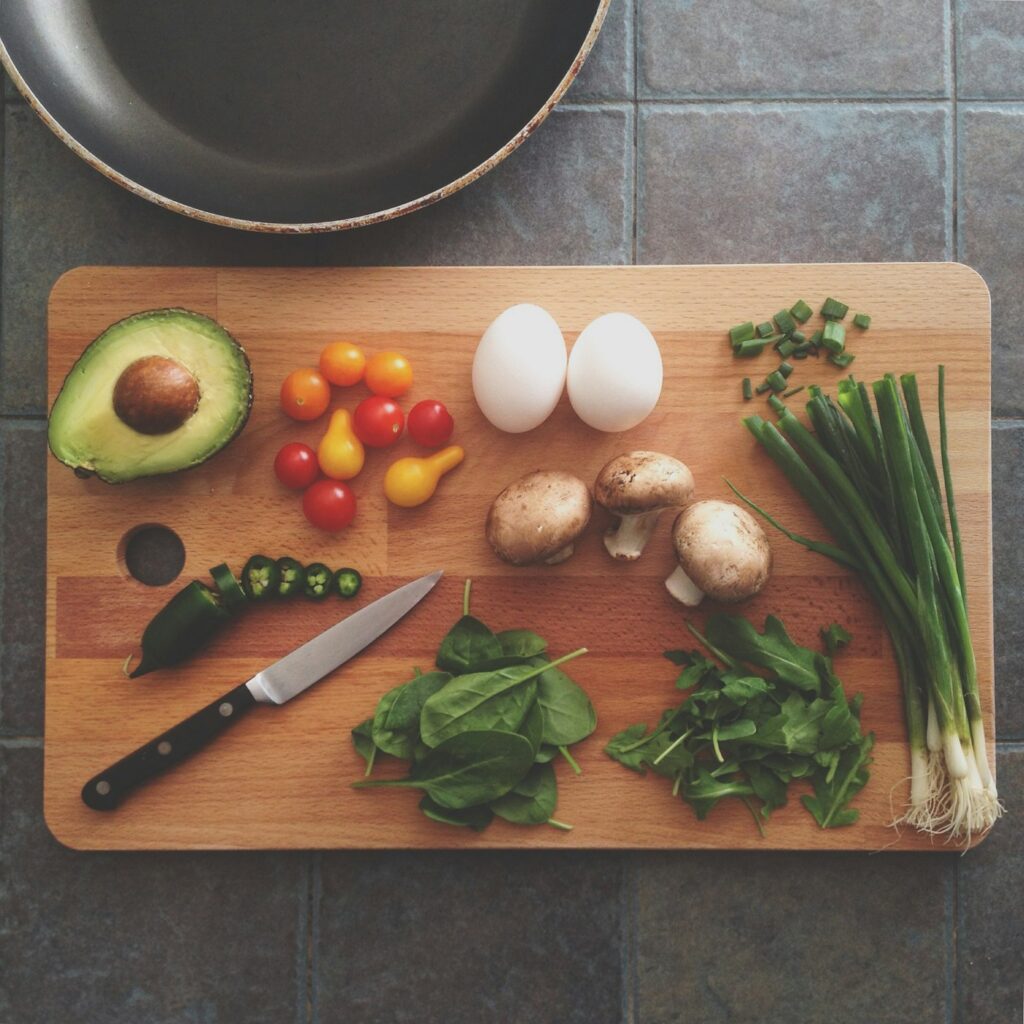
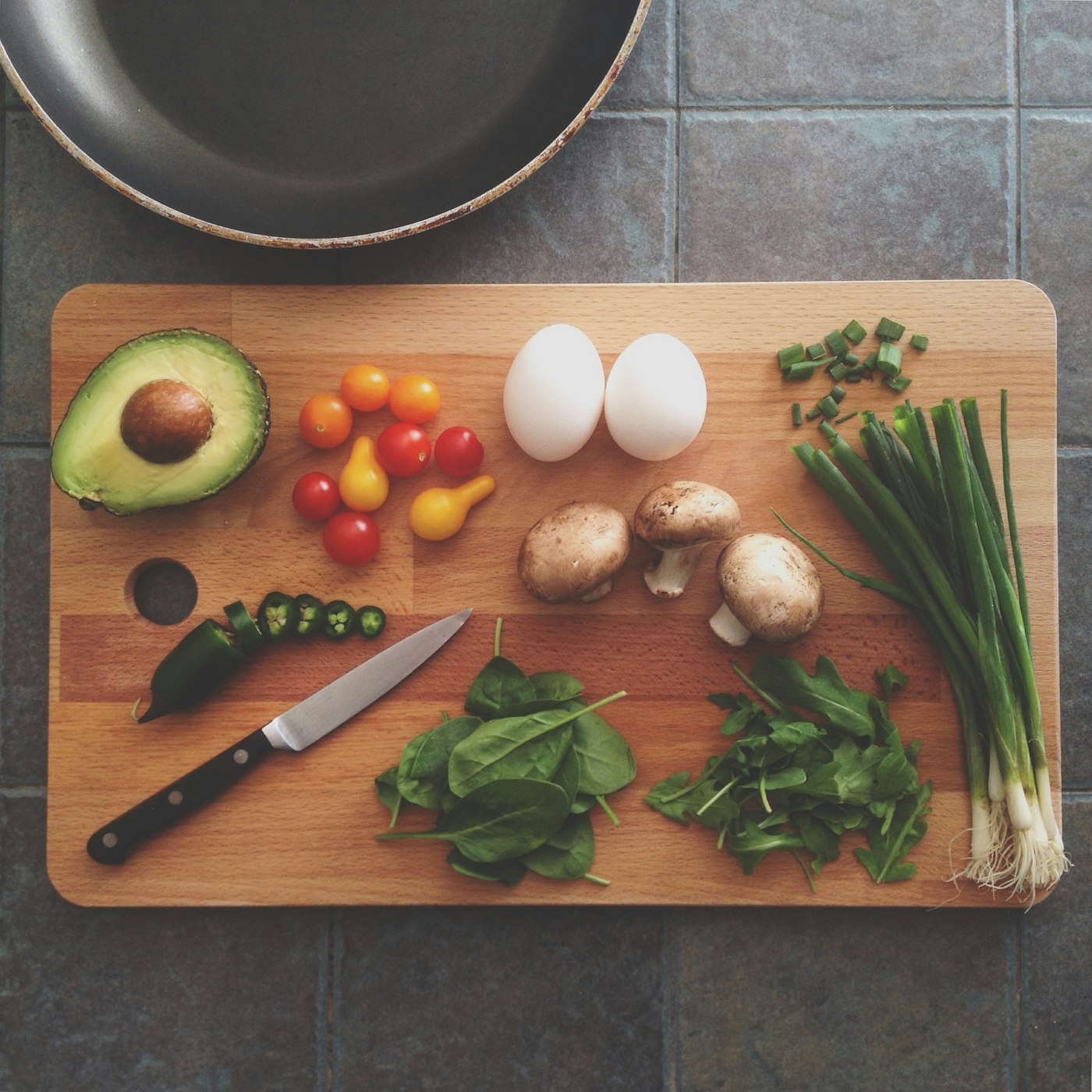
Roasting vegetables with thyme, garlic and olive oil is a healthy-lifestyle habit more powerful than any passing trend: because it repeats, because it tastes good, because it fills the house with a good smell.
Keep reading
- The Complete Honey Guide
- Honey and natural energy in the rhythm of the day
- The role of honey in wellbeing routines
Note: informational and cultural text on wellbeing, tradition and lifestyle. It does not replace professional health advice. Honey is not recommended for children under 12 months. For topical care, do a sensitivity test and read labels.